
Invented by Lee; Jeawoan, Samsung SDI Co., Ltd.
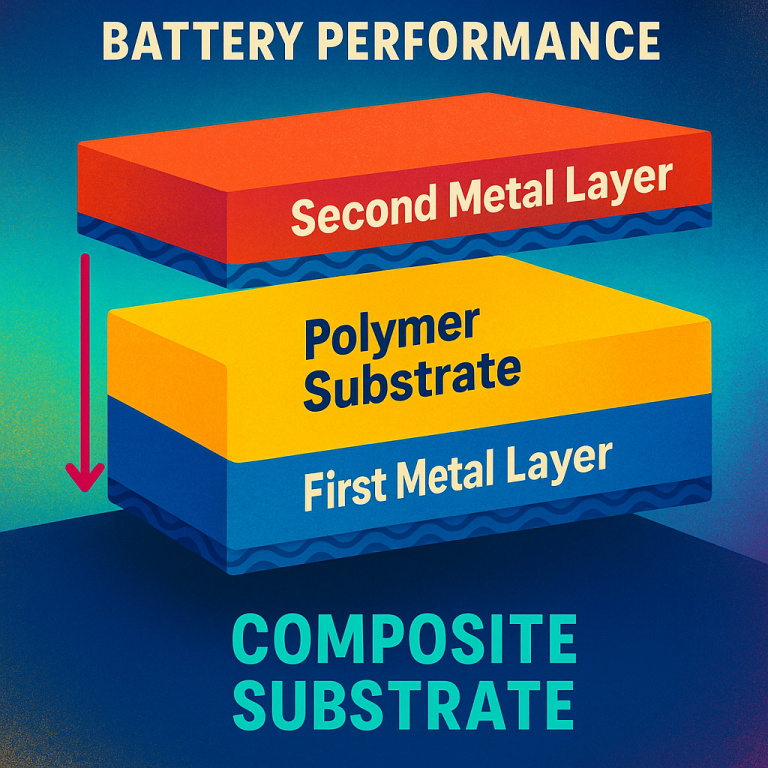
Secondary batteries are everywhere — in your phone, your laptop, and even your car. But making these batteries lighter, safer, and more powerful is a big challenge. A recent patent application aims to solve some of these problems using a new kind of composite substrate and electrode assembly. In this article, we’ll break down the technology, explain where it fits in today’s market, and show why it matters for the future of batteries.
Background and Market Context
If you use a smartphone or drive an electric car, you already depend on secondary batteries. These are batteries you can recharge again and again. As our devices get smaller, faster, and more powerful, the batteries inside them also need to improve. People want batteries that last longer, charge faster, and don’t weigh down their gadgets or vehicles. And as cars and other vehicles switch from gas to electric power, the need for lightweight, high-power batteries is only growing.
Right now, companies making batteries face tough choices. To get more energy, they might try to add more battery material, but that makes the battery heavier. A heavier battery means a heavier device or car, which eats up more energy just to move the extra weight. It’s a cycle that’s hard to break. To make things even trickier, batteries also need to be safe and not catch fire or fail.
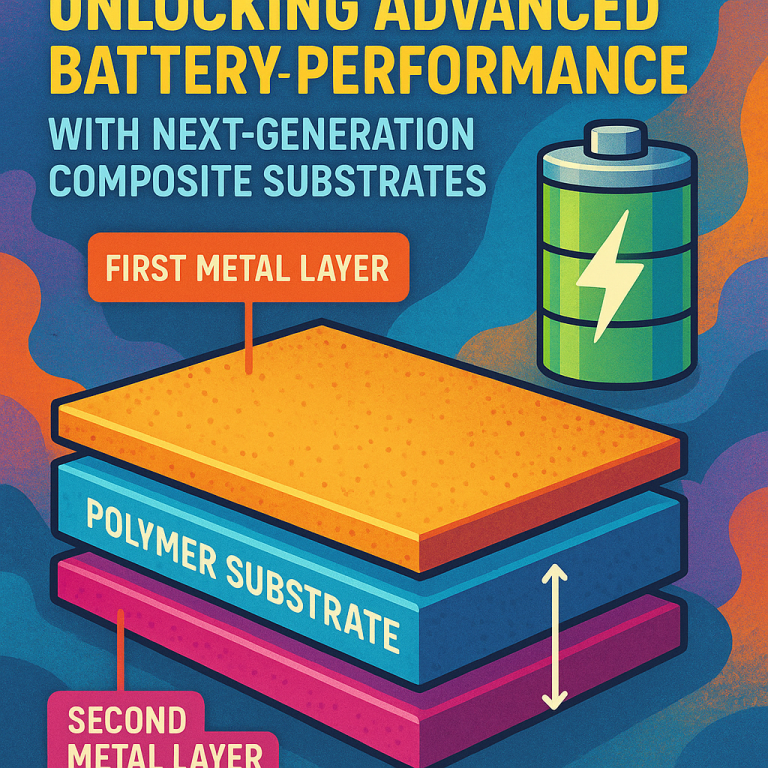
This is where the new patent comes in. It introduces a new kind of “composite substrate” to use in the heart of the battery, called the electrode assembly. By making the collector part of the battery thinner and smarter — using a mix of metals and polymers — the invention aims to make batteries lighter and more powerful at the same time. If it works as designed, this could mean longer-lasting phones, lighter electric cars, and batteries that are safer and easier to make.
The market for these kinds of batteries is huge and getting bigger. Electric vehicles, drones, and even home power storage all need better batteries. Any improvement in how much energy you can pack into a battery, or how light you can make it, has a big impact. Saving even a little bit of weight or space in a battery can let a car drive farther, or a drone fly longer, or a phone last all day on a single charge. Battery makers are always chasing that next improvement, and they’re willing to try new ideas if it means getting ahead of their competitors.
Scientific Rationale and Prior Art
Batteries work by moving ions between a positive side and a negative side. These sides are called electrodes, and each one has an “active material” that stores or releases energy. For the electrodes to work, they need a “collector” — a thin metal sheet that carries the electricity in and out of the battery. Most of the time, these collectors are made out of thin metal foils, like aluminum for the positive side and copper for the negative side. These foils are strong, but they add weight and take up space.
For years, scientists and engineers have tried to make collectors thinner and lighter without losing performance. Some tried using just polymer films instead of metal, but polymers don’t conduct electricity well. Others tried making the metal layer as thin as possible, but if you go too thin, the collector can break or not carry enough current. Some patents have explored coating a polymer film with a thin metal layer on one side, but that can lead to problems like peeling or uneven current flow. There have also been attempts to use different metals on each side of a polymer, but getting the thickness and alignment just right is tricky.
One big challenge is keeping the battery safe. If the collector is too thin or weak, it can rip or short-circuit, which is dangerous. If it’s too thick, you lose the benefits of saving weight and space. Some designs also try to use the same metal on both sides of a polymer, but this can lead to unwanted chemical reactions or make the battery less efficient. Some patents mention using aluminum and copper together, but don’t explain how to control their thickness or width to get the best results.
In short, the prior art shows lots of attempts at making collectors lighter and thinner, but with trade-offs in strength, safety, or performance. No one has found a simple way to make a collector that is both light and strong, conducts well, and can be made easily in a factory. That’s where the new invention stands out — it offers a careful balance of metals and polymers, with fine control over thickness, width, and material choice, all designed to make a better battery collector and assembly.
Invention Description and Key Innovations
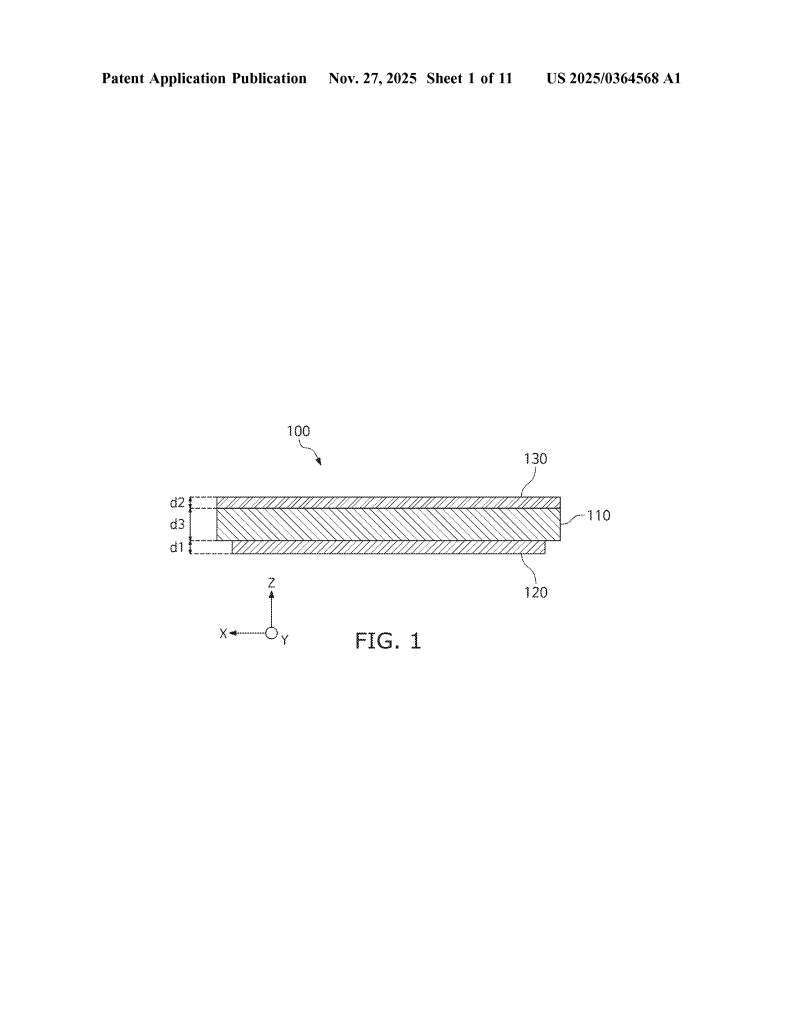
This patent introduces a composite substrate that forms the core of a new electrode assembly for batteries. The key idea is to use a polymer sheet as the base, with two different metals coated on each side. For example, one side could be aluminum, and the other copper. Each metal layer is much thinner than the polymer base. By carefully choosing the thickness and width of each metal layer, the invention aims to save weight, keep the battery strong, and still allow for excellent current flow.
Let’s break down how this works. Imagine a very thin piece of plastic (the polymer substrate). On one side, a thin layer of aluminum is added. On the other side, a thin layer of copper. The aluminum and copper are chosen because they each work best for different sides of the battery — aluminum for the positive, copper for the negative. Importantly, the thickness of each metal is kept much smaller than the thickness of the plastic in between. For instance, the plastic might be 5 to 7 micrometers thick, while the metals are just 0.5 to 2 micrometers thick. This keeps the whole assembly light and flexible.
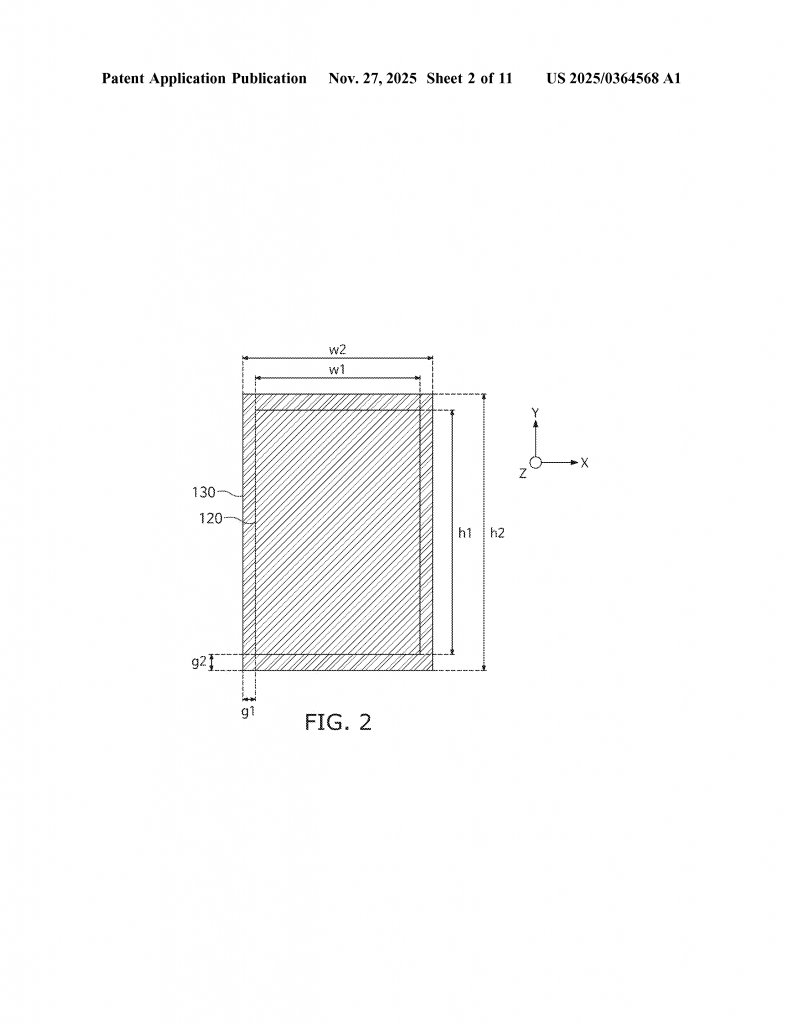
What’s special about this design is the control over the size and placement of the metal layers. The patent allows for the metal layers to be slightly different in width or length, but always close enough that the difference is no more than 3 millimeters. This helps keep the current flow even and avoids weak spots. The metal layers can also be applied using masks, so they are only placed exactly where needed, saving material and making the battery safer.
The invention also explains how to stack these composite substrates together, adding separators between them to keep the battery safe. This stacking can be done with several of these new electrode plates, each having active material on both sides (one side for storing positive ions, the other for negative). The assembly can include extra plates on the top and bottom, made in a similar way, for better performance and safety.
What does this mean in practice? By using less metal and more polymer, the collector becomes much lighter, but still strong. The careful matching of metal thickness makes sure the battery works well, even at high discharge rates (meaning it can deliver lots of power quickly when needed). The design also makes the battery safer, since the polymer is less likely to short-circuit, and the metal layers are protected. The way the layers are stacked and connected also makes the battery easier to make in a factory, which can lower costs.
Test results shared in the patent show that batteries made with this design can match or even beat traditional batteries in both capacity (how much energy they store) and high-rate discharge (how fast they can deliver that energy). The resistance (or how much the collector slows down the flow of electricity) drops quickly as the metal layer gets thicker, but after a certain point, adding more metal doesn’t help much. The patent finds the “sweet spot” where you have just enough metal for good performance, but not so much that you add extra weight or cost.
Another innovation is the method of manufacturing. The patent describes how to use masking plates and spraying techniques to apply the metal layers only where needed, making the process efficient and scalable. This means the invention isn’t just a lab idea — it can actually be put into practice in a real battery factory.
In summary, the main innovations are:
- Using a polymer base with two different metals on each side, each chosen for its best use in a battery.
- Careful control of metal thickness and width for best performance and safety.
- New ways of stacking and connecting these plates to make a better battery assembly.
- Simple manufacturing methods that fit with existing battery factory processes.
Conclusion
Batteries power our lives, but making them better is hard. This patent offers a smart new approach: a composite substrate that makes batteries lighter, just as strong, and even safer. By using thin, carefully placed layers of aluminum and copper on a polymer base, the invention can boost energy density and performance without making the battery cost more or become fragile. The new electrode assembly design also fits with current manufacturing methods, making it a real option for battery companies looking to stay ahead.
For anyone in the battery industry, or anyone who wants to understand how technology is pushing devices and vehicles forward, this patent shows where the future is heading. The ideas here could lead to longer-lasting phones, lighter electric cars, and safer, more powerful batteries for all kinds of uses. The next time you charge your device or drive your car, remember — advances like these are what make it possible.
Click here https://ppubs.uspto.gov/pubwebapp/ and search 20250364568.