Invented by Sen; Souvik, Chatterjee; Surojit
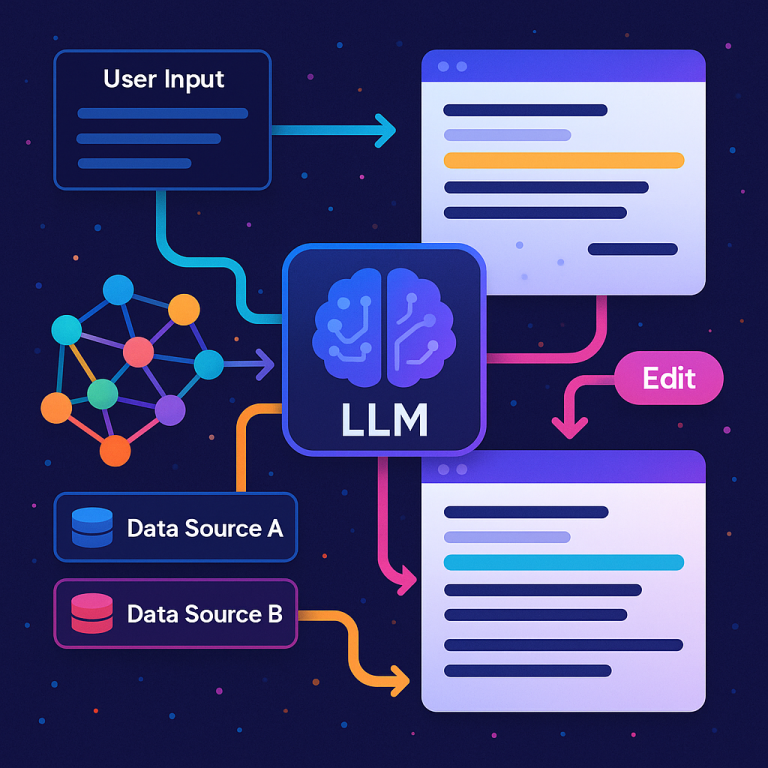
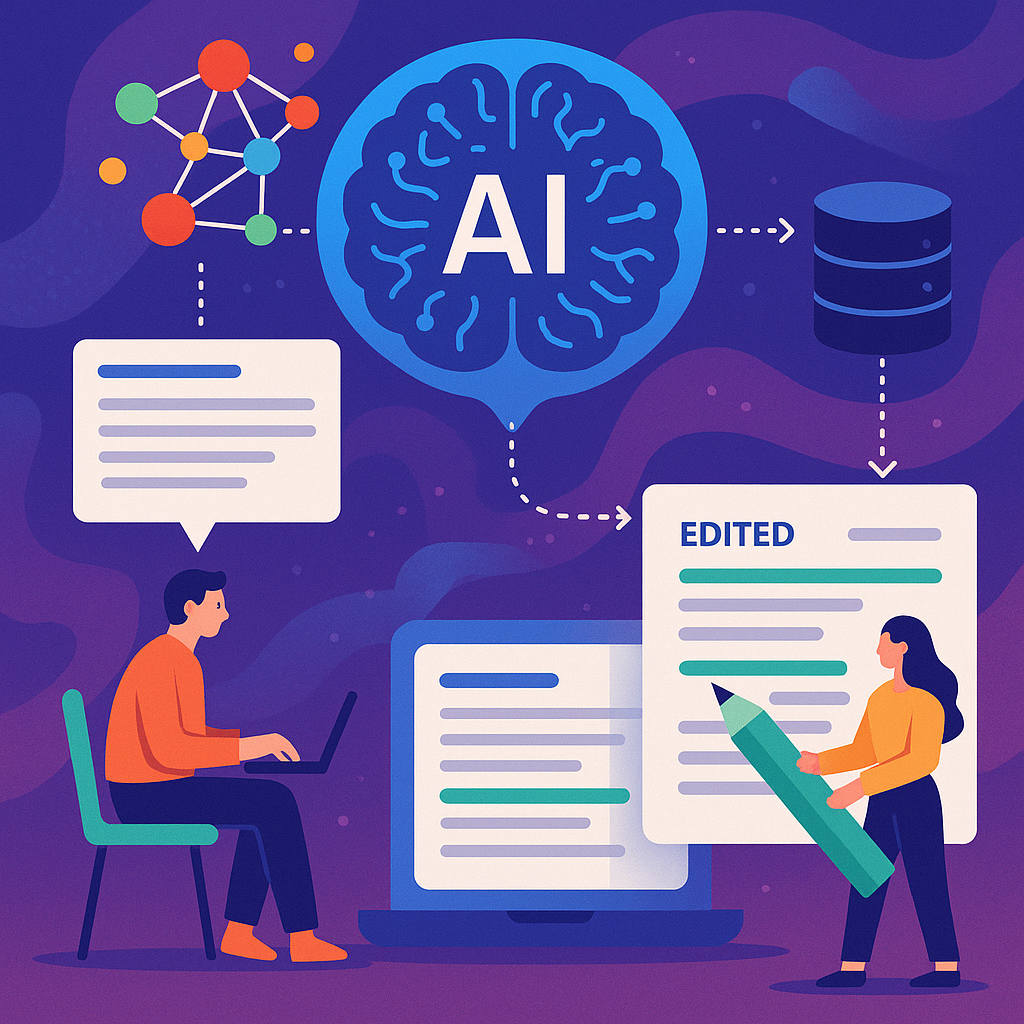
AI is changing how people make and edit documents. A new patent application shows new ways large language models (LLMs) can generate and edit long documents while making sure all parts fit together smoothly. Let’s break down what this technology means, how it fits into today’s world, and how it builds on what came before.
Background and Market Context
Today, people want to create and manage lots of information quickly. Businesses need long documents—like reports, proposals, manuals, or handbooks—that are well-organized and accurate. But making these documents is hard. Writing them takes a lot of time. Editing them, especially if you need to use new information, can break the flow and make sections not match each other.
AI chatbots like ChatGPT, Bard, Claude, and Jasper have made it easier to write short pieces of text, such as emails or thank-you letters. But when it comes to long, complex documents, they struggle. Why? Because these documents have many sections that depend on each other. If you change one part, other parts might no longer make sense. And current AI tools can only handle so much information at once, due to memory limits. This means users often have to break big projects into small pieces, leading to mistakes and inconsistencies.
Many businesses also have private data spread across emails, databases, files, and apps. When making a new document, pulling in all the right information from these places is a challenge. And when you want to update a section based on new sources—like a fresh report or new data—the process is even tougher. Most AI tools can’t easily mix in new sources to just one part of a document without messing up the rest.
Companies want to use their own data to create and update documents, but they need a way to do this that keeps everything in sync. If one section changes, the rest should adjust to match. This is especially important for large firms where different teams or people might be working on different parts. If the style, facts, or tone change in one section, the whole document can feel disjointed.
What’s missing is a system that can:
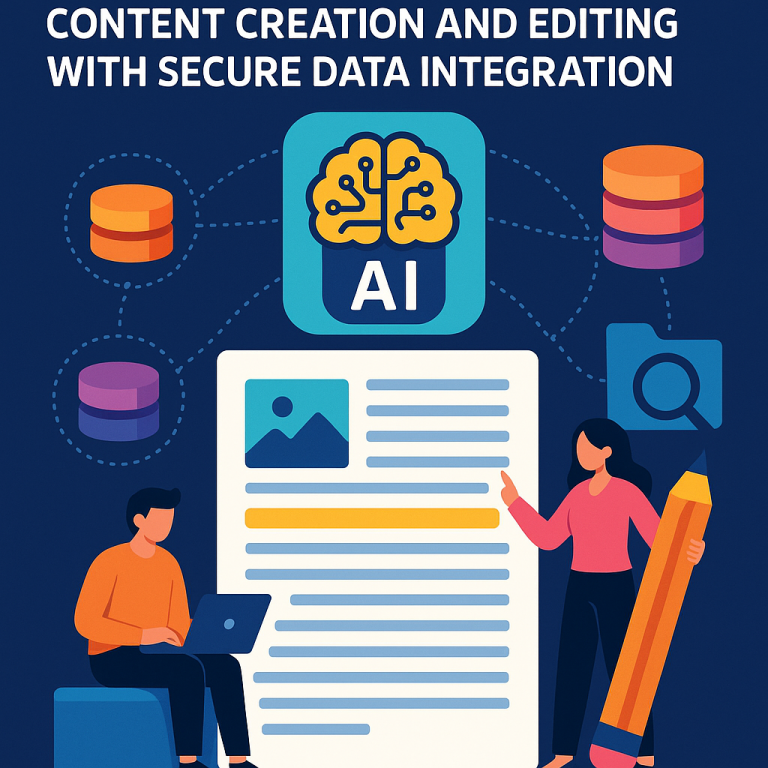
- Generate long documents using private and public data
- Edit just one section (using new sources) without breaking the document’s flow
- Automatically check if other sections no longer fit and fix them
- Let users pick which sources to use for each section
- Work with all sorts of data, from documents and websites to emails and chats
This is the gap the new patent application aims to fill. It’s about smarter tools for the real business world, where content needs to be accurate, up-to-date, and always coherent.
Scientific Rationale and Prior Art
Let’s look at how AI has been used so far and where it falls short. Early language models could only write or edit small bits of text. If you asked a chatbot to write a full report or edit a single section, it often had to rewrite the whole thing or couldn’t keep everything in memory. As a result, if you changed one part, other parts might not match anymore—causing confusion or even errors.
Traditional AI writing tools use what’s called a “prompt-response” approach. You give them a prompt, and they generate a response. If the prompt is long, or if you want to pull in information from many sources, the system can run into token limits. This means they can only “see” a certain amount of text at once. This problem is even worse for big documents with lots of sections. People have tried to solve this by breaking documents into smaller pieces, but then the AI loses the big picture and can’t keep everything consistent.
Some older tools let users give feedback or ask for edits, but usually, these edits are broad. For example, you might be able to say “make this more formal” or “shorten this section,” but you couldn’t easily say “update this part using information from this new report.” And if you did, the AI might regenerate the entire document, making other parts not fit anymore.
Another issue is that most systems don’t really understand how different sections of a document relate to each other. If you change a section about, say, “vacation policy” in an employee handbook, the AI might not realize it should also update the summary or other related sections. There’s no smart way to check for conflicts or make sure everything is still in sync.
Some systems have tried to use templates or outlines, but they usually fill them in one section at a time, without checking how changes in one part affect the rest. Others can pull in data from external sources, but they don’t know how to pick the most relevant information or how to combine data from multiple sources, especially if those sources disagree.
In technical terms, the prior art lacks:
- Fine-grained section editing tied to specific data sources
- Automatic coherency checks and updates across the whole document
- Support for combining and weighting multiple sources for a single edit
- Smart selection of what data to use from big or complex sources
- Deep integration with private enterprise data, respecting user permissions
This new patent application builds on these ideas but adds important new features. It uses two language models: one to generate the document, and another to help edit sections by pulling in relevant data from user-chosen sources. It also uses techniques like semantic graphs—maps of how concepts and data relate—to keep everything connected. And it includes ways to visually mark which section is being edited, to make the experience clear and interactive.
Invention Description and Key Innovations
The patent describes a system that uses advanced AI to generate, edit, and manage long documents in a way that’s smarter and more flexible than before. Here’s how it works in plain language:
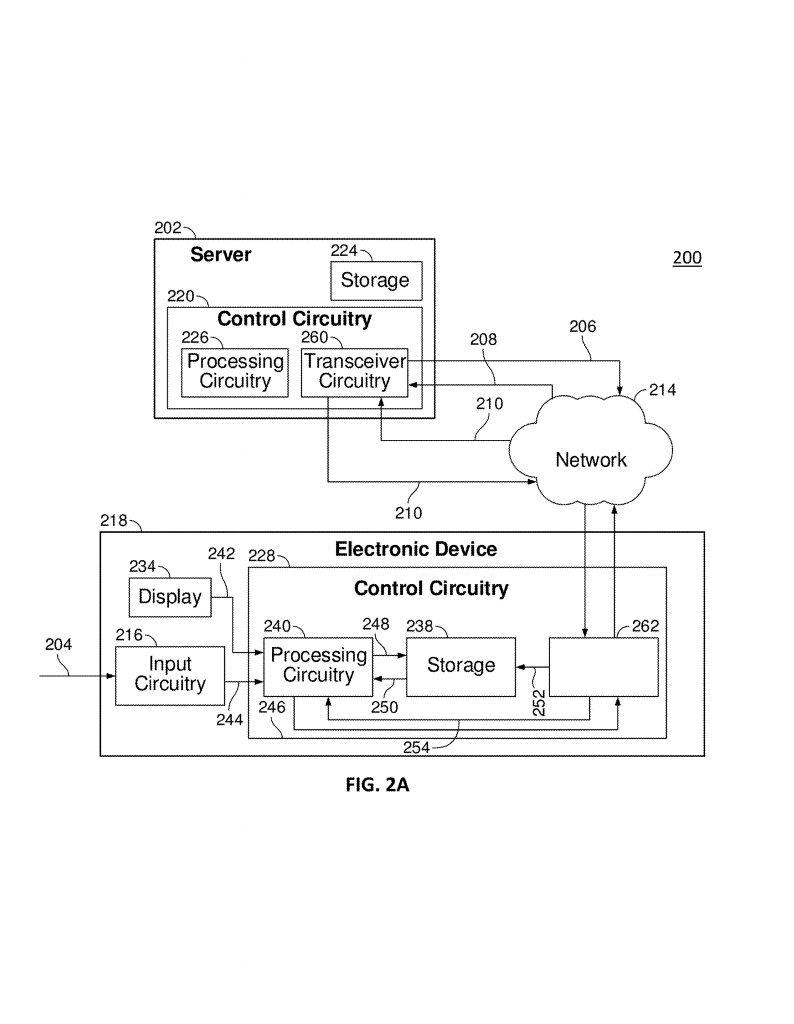
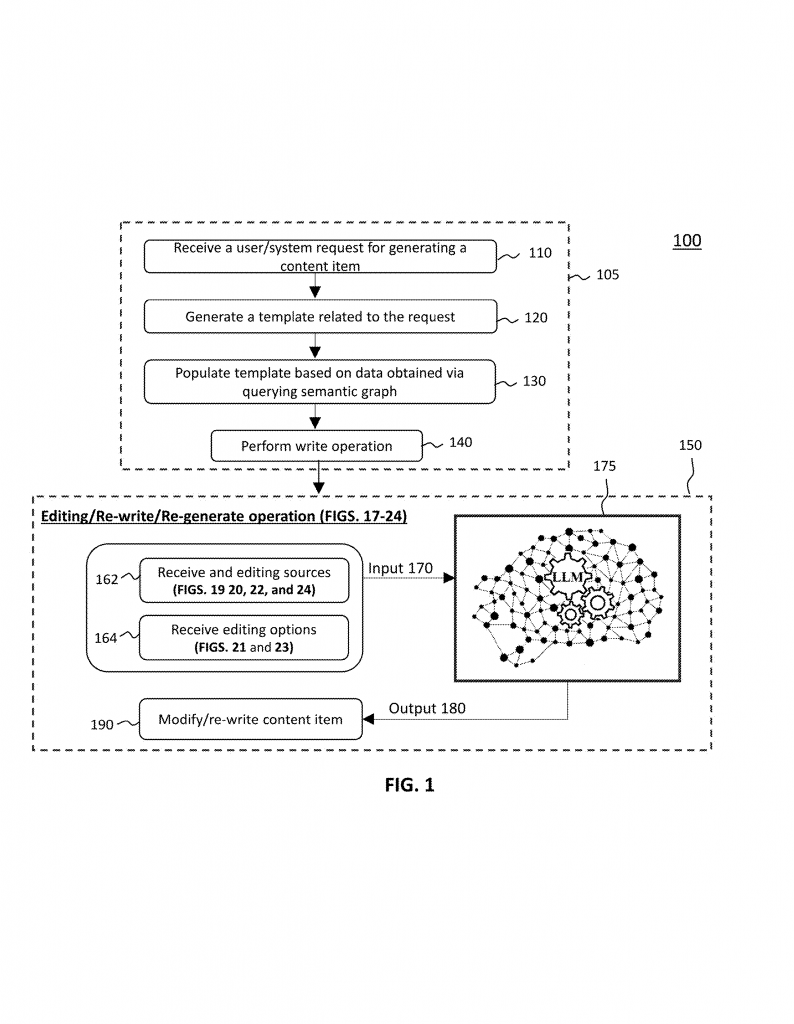
First, the system lets a user ask for a new document—say, a business proposal or an employee handbook. The AI creates a template for the document, breaking it down into sections and subsections. It builds a “semantic graph” of all the data the user is allowed to access, across company databases, files, emails, and more. This graph helps the AI know what information is available and how it fits together.
Next, the AI fills in the template, section by section, grabbing the right data from the graph. It starts with the most detailed subsections and works upward, writing each part with the context it needs. This bottom-up approach helps keep everything in sync.
When the user wants to edit a section, things get really interesting. The user can select a specific section—by clicking, hovering, or touching on a screen—and provide a link or source (like a website, document, email, or chat) they want to use for the edit. The system highlights the chosen section so it’s clear what’s being changed.
A second language model then goes to work. It reads the section to be edited and the provided source(s). If the source is big (like a whole website or a long report), the AI indexes all the data and then asks smart questions—generated based on the section’s content—to find just the parts that matter. This way, it doesn’t just copy and paste from the source, but truly understands and blends the new data into the existing document.
If the user provides more than one source, the system can assign weights to each. For example, if one source is more trusted or more recent, it can get a higher priority. If sources disagree, the AI uses these weights to decide which information to use.
After editing the section, the AI checks if this change makes any other part of the document confusing or inconsistent. If so, it can suggest or automatically update those parts as well, so everything remains coherent. Users can choose to update just the edited section, the whole page, or even the entire document to keep things flowing smoothly.
The system also supports conflict resolution. If the new edit creates a logical or data conflict (for example, two sections now give different numbers or advice), the AI can flag this and offer ways to resolve it—like keeping both versions, picking one, or editing both for consistency.
All of this happens through a user-friendly interface, where users can see the document, pick sections, add sources, view which parts are affected, and make decisions about how changes are handled.
Some of the most important innovations in this patent include:
- Section-by-section editing tied to user-picked sources: Update any part of a document with fresh data, from any source, and have the AI blend it in naturally.
- Automatic coherency checks and updates: The AI doesn’t just make one change and stop—it looks at the whole document and keeps everything in sync.
- Source weighting and conflict handling: When multiple sources are used, or when edits cause mismatches, the system helps decide what to do in a smart, explainable way.
- Deep integration with private data: The system knows which data each user can access and builds the document using only what’s allowed, keeping company information secure.
- User-friendly interface for editing: Visual cues like highlighting make it clear which section is being worked on, and users get suggested sources, affected sections, and conflict options right where they need them.
- Support for all data types: Edits can be made using not just text, but emails, chats, spreadsheets, presentations, even voice notes or videos.
The end result is a tool that lets businesses and users create, update, and manage big, complex documents far more easily, using both AI smarts and human judgment. It saves time, reduces errors, and helps make sure that every section fits together, even as new sources and edits come in.
Conclusion
This patent application marks a big step forward in how AI can help people and companies manage their knowledge. By allowing section-specific edits tied to user-chosen sources, automatic coherency across the whole document, and smart handling of conflicts and data weights, it solves real problems that older AI tools can’t. This technology is built for the real world, where documents are always changing and information comes from many places. With its deep integration of user data, friendly editing interface, and robust handling of complex edits, it sets a new standard for AI-powered content creation and management.
As this kind of technology becomes more common, expect to see faster, more accurate, and more flexible document workflows in businesses of all kinds. That means less time fixing broken documents, and more time delivering clear, reliable information—no matter how big or complex the job.
Click here https://ppubs.uspto.gov/pubwebapp/ and search 20250363295.