Invented by Dong; Hanze, Saha; Amrita, Xiong; Caiming, Sahoo; Doyen
AI chatbots are everywhere. They help us shop online, solve computer problems, and even answer health questions. But what if these AI helpers could get even better at understanding what we like and how we want to talk? A new patent application shows us a new way for AI chatbots to learn from people, using something called “Catalyst Prompts.” Let’s break down what this means, why it matters, and how it works.
Background and Market Context
Today, many companies and people use AI conversation agents, or chatbots, to make life easier. These AI systems can answer questions, solve tech issues, and help us find information fast. You see them on websites, in customer service, and even in hospitals. They don’t get tired and can work all day and night, helping people whenever needed.
Chatbots rely on huge computer models called “large language models” (LLMs). These are like giant brains that have read lots of books, websites, and articles. When you ask a chatbot a question, it uses what it has learned to give you an answer. These models are very powerful, but sometimes they don’t always say things the way people want. Maybe the answer is too short, too simple, or it misses the point. People want chatbots to sound more natural, be more helpful, and match their personal style.
To make chatbots better, inventors and engineers keep looking for new ways to help AI learn. One of the most important ways is to use feedback from people. When a chatbot gives an answer, people can say if they like it or not. This human feedback helps train the AI to do better next time. But teaching a computer to really understand what people want is still very hard. Sometimes, even with feedback, the chatbot’s answers are not quite right.
This is where the new patent application comes in. It offers a new method for helping AI chatbots learn much faster and more accurately from people. This could make chatbots more useful in many areas, such as:
- Customer service, where quick and clear answers are needed
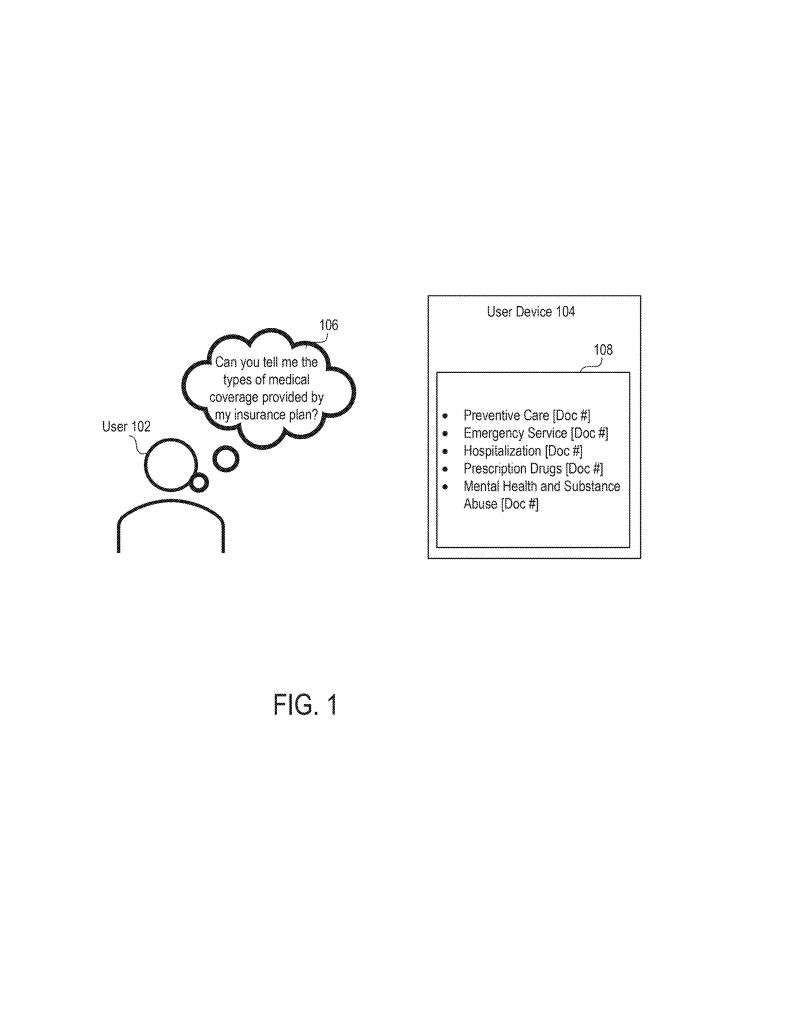
- Healthcare, for answering medical questions in a friendly way
- Online shopping, to give better product advice
- Tech support, to guide people step-by-step
The patent’s approach could help companies save money, make users happier, and even open up new jobs for people who design and teach AI systems.
Scientific Rationale and Prior Art
Let’s talk about how chatbots learn. Most use something called a “neural network.” This is a computer system that tries to copy how our brains work. These networks look for patterns in lots of text and figure out how to answer questions or have conversations.
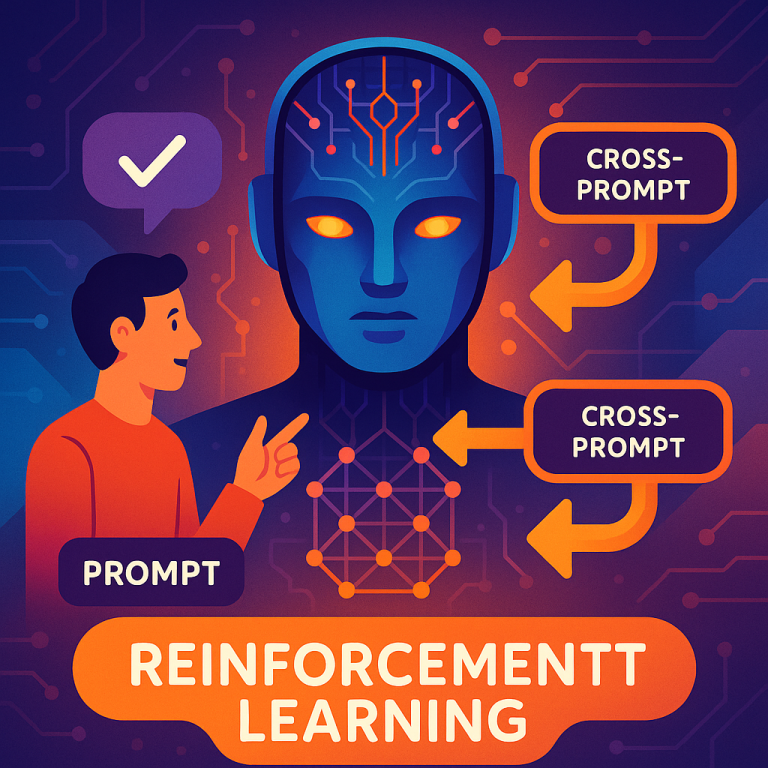
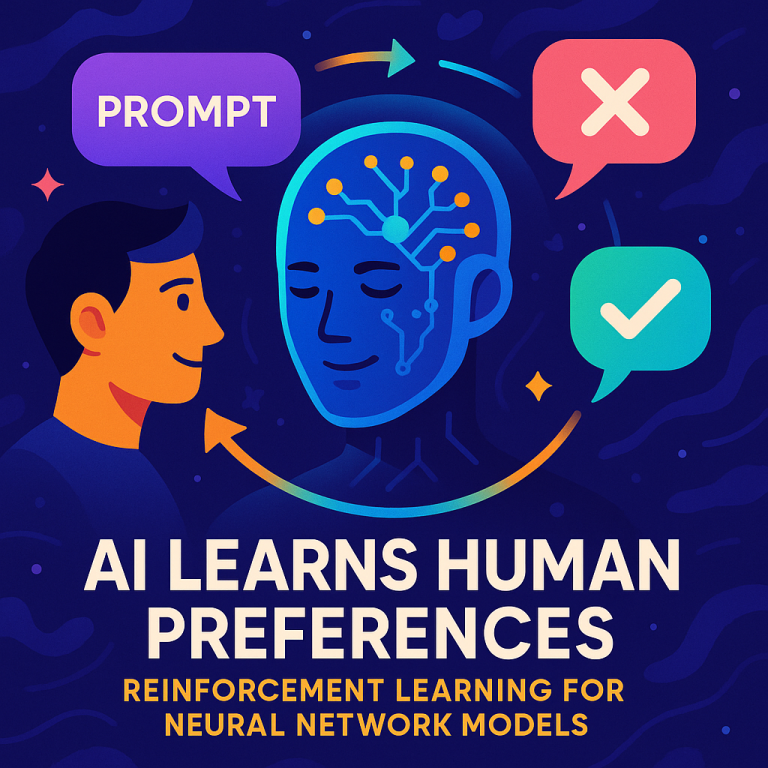
One popular way to train these chatbots is called “reinforcement learning from human feedback” (RLHF). Here’s how RLHF works in simple terms:
The AI chatbot gives an answer. A person reads the answer and says if it’s good or bad. If it’s good, the AI gets a reward (like a point). If it’s bad, it gets nothing (or even loses a point). The AI keeps trying to get more points by giving better answers. Over time, it learns what people like.
This method helps, but it’s not perfect. Sometimes, the AI keeps giving simple or boring answers. Other times, it gets stuck and doesn’t try new things. The reason? The way the AI is taught might not include enough different ways of asking questions or giving feedback. If the AI only sees the same types of questions, it won’t get better at handling new or tricky ones.
Previous inventions have tried to solve these problems by:
- Giving the AI more data to learn from
- Letting people rank answers from worst to best
- Using rules to change how the AI talks
But these older methods can be slow, or they might not work well for every kind of conversation. Sometimes, the AI still misses the mark because it hasn’t seen enough different ways that people might ask a question.
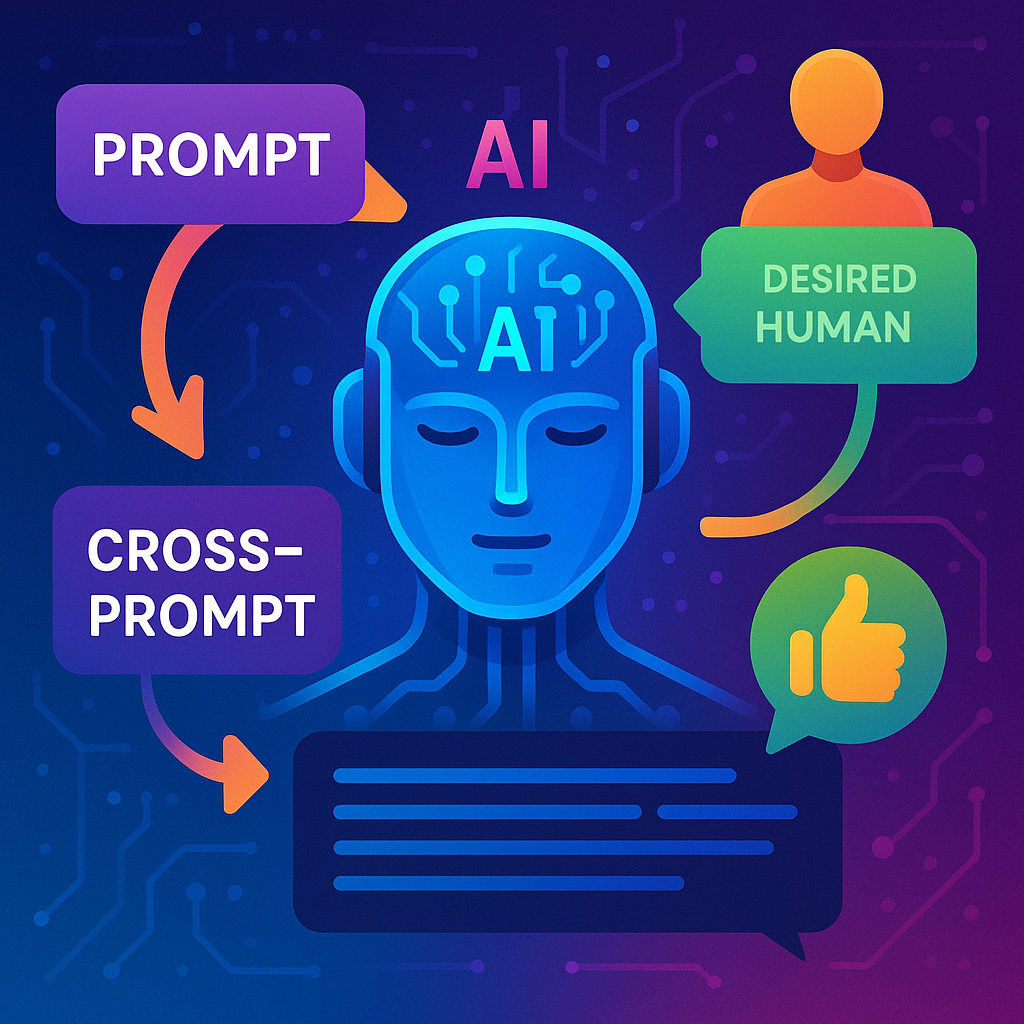
The new patent builds on RLHF by adding a clever step: instead of just using the original questions people ask, it creates new versions of those questions—these are called “augmented prompts” or “Catalyst Prompts.” These new prompts help the AI see more ways that people might ask something, or what else they might want to know. This gives the AI a bigger, richer playground to learn in, making it more flexible and helpful.

Invention Description and Key Innovations
This new patent describes a different way for AI chatbots to learn from people. The heart of the invention is using two main computer brains (neural networks). Here’s how it works in simple steps:
1. The system gets a bunch of real questions or prompts—these are things people might say to a chatbot. This is the “training dataset.”
2. The first computer brain (a language model) takes each prompt and creates new, related prompts. For example, if the prompt is “What are the side effects of this medicine?” the system might create new prompts like “Can you explain possible problems with this drug?” or “List any bad reactions people might have.” These new prompts can:
- Use different words (paraphrase)
- Add more details or instructions
- Bring in new but related topics
3. These new prompts (Catalyst Prompts) are fed to the second computer brain. This one is special because it’s always learning and changing. It tries to answer the new prompts and guesses how well its answer will match what a user likes.
4. The system checks if the answer is actually good, often by asking a person or using a special evaluator. If the answer is close to what people like, the computer brain gets a reward. If it’s not, it gets nothing. The system compares its guess (how well it thought it did) with the real outcome (did people like it?) and learns from the difference. This is called a “loss function”—it helps the system fix its mistakes.
5. The whole process happens again and again, with the AI trying new answers to new prompts, always learning from feedback. Over time, the AI gets better at matching what people really want.
6. Once the AI is trained, it can be put on real devices—like servers, phones, or even small computers. It’s ready to answer real user questions in a way that fits their preferences.
What’s new and special about this patent? It’s the way it creates and uses Catalyst Prompts to help the AI learn faster and better. Instead of just using the same old questions, it makes lots of new versions. This gives the AI more practice with different styles, words, and topics. It’s like giving a student many ways to solve a problem, not just one. The AI doesn’t get stuck in a rut or keep giving the same boring answers. It learns to be more creative and helpful.
The patent also describes how the system can be built into real computer hardware. It can run on powerful servers, or on smaller devices, depending on what’s needed. The training method is flexible and can be used for many kinds of chatbots, in many fields—healthcare, customer service, IT support, and more.
Another clever part is how the system splits the work. One computer brain makes new prompts, and the other learns from them. This lets the AI explore many new ideas without getting confused. The use of both “prompt dependent” and “prompt independent” features means the AI can focus on what’s new in each prompt, but also keep track of general skills that work everywhere.
In real-world tests, this method worked well. The AI learned faster and gave better answers, not just for the prompts it was trained on, but for new and different ones too. It could even match or beat other top AI chatbots that use older training methods.
The patent also makes it easy for companies to update their chatbots. If people start asking new kinds of questions, the system can quickly learn from them. This keeps the chatbot helpful and up-to-date, without starting training from scratch.
Conclusion
This new patent application brings a fresh idea to the world of AI chatbots. By making and using Catalyst Prompts, chatbots can learn from more examples, get smarter, and give answers that people really like. This method builds on what came before but adds new tools to make AI helpers more flexible, creative, and useful. As chatbots become a bigger part of our lives, inventions like this will help them understand us better and make our daily tasks easier. Companies, developers, and users all stand to benefit from this next step in AI conversation technology.
Click here https://ppubs.uspto.gov/pubwebapp/ and search 20250363380.