Invented by Jha; Rakesh Ranjan, Rajagopalan; Sridharan, Wing; Daniel
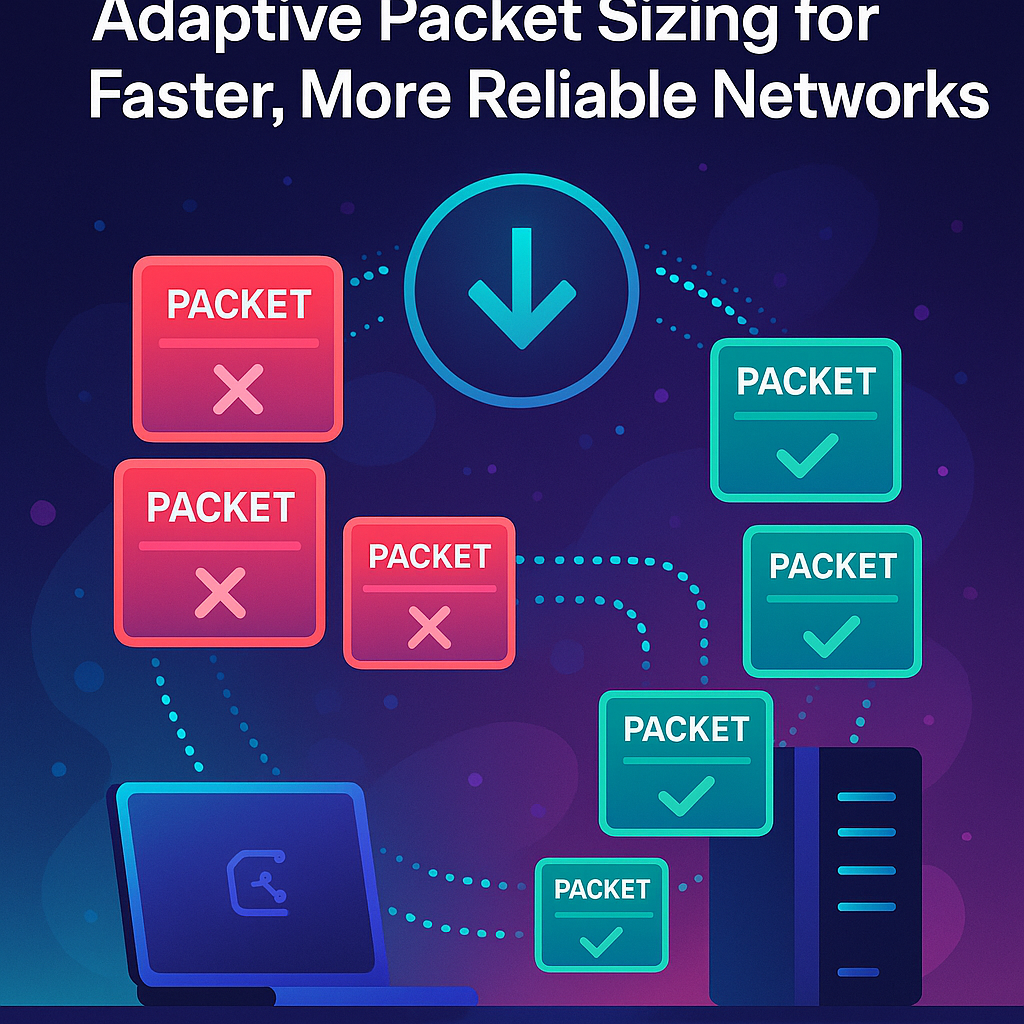
When you are browsing the web, streaming a video, or working remotely, your computer is always sending and receiving little bundles of data called packets. But what happens when the path those packets take suddenly changes, or when the network gets crowded? A new patent application offers a smart way to make sure these packets arrive safely, even when the road gets bumpy. In this article, we will break down what this invention is, why it matters, how it builds on what came before, and how it could change the way we all connect online.
Background and Market Context
The internet is like a giant highway with millions of cars (packets) traveling from one place to another. Every time you send a photo, watch a movie, or join a video call, your device breaks up your data into packets and sends them to their destination. Each packet travels through routers, switches, and many other devices along the way. All these devices have limits on how big each packet can be. This limit is called the Maximum Transmission Unit, or MTU.
Think of MTU as the largest size of a box you can send through a delivery service. If your box is too big, it won’t fit in the truck. In the same way, if a data packet is too large, some network devices will have to break it into smaller pieces or even throw it away. This can make your apps slower, cause interruptions, or even make your connection drop.
With more people working from home, using cloud services, and accessing virtual desktops, the number of connections that travel across different networks has exploded. These networks are not always stable. Sometimes, the route your data takes can change right in the middle of your session, because the network is trying to find a faster or less crowded path, or because a part of the network goes down.
When the path changes, the new route might have a smaller MTU than before. If your device keeps sending large packets, they may get broken up or lost, causing delays or breaks in your video call or remote desktop session. Until now, most systems only checked the MTU size at the start of a connection. If the path changed later, they wouldn’t notice, and problems would start to appear.
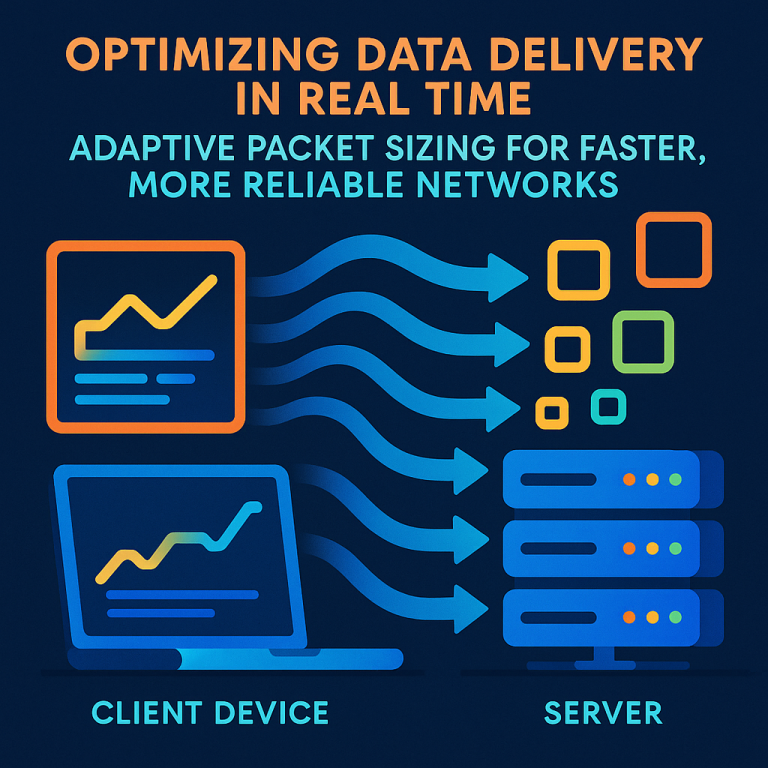
This is a big deal for companies offering remote desktop solutions, cloud services, or any apps that need reliable, high-speed connections. A single lost packet might mean a blurry video, a lag in your game, or a slow file download. In business, it could mean dropped calls, lost productivity, and unhappy users.
Cloud computing, virtualization, and mobile workforces have made this problem more common. The market is hungry for tools that can keep connections smooth and reliable, even as networks change. This is where the new invention comes in: a way to spot when packets are failing, figure out the new best packet size, and adjust on the fly—without disconnecting or slowing down.
Scientific Rationale and Prior Art
To understand why this invention is important, we need to look at how packet size is usually handled and what problems have been hard to solve.
At the start of most network sessions, your device will try to find the biggest packet size that will safely get through to the other end. This is called Path MTU Discovery. The idea is to find the largest size that will make it all the way without being dropped or broken up. Using bigger packets means fewer packets, which is more efficient. But if a packet is too big for somewhere along the path, it can get lost or split, which is bad for speed and reliability.
The standard way to find the right size is to send test packets with the “Don’t Fragment” flag set. If a packet is too big, the network sends back a special message (an ICMP “packet too big” message), telling your device to try a smaller size. Once the right size is found, your device uses that packet size for the whole session.
But here’s the catch: networks can change while you are still connected. Maybe the traffic is rerouted, or the network path changes because a server goes down. The new path might not allow packets as big as before. But your device doesn’t know this. It keeps sending large packets, which now might be dropped or delayed. Standard MTU discovery does not run again in the middle of a session, so the user starts to see problems—lag, buffering, or even lost connections.
There have been some attempts to solve this. Some systems will break up large packets automatically (fragmentation), but this can make things even worse, because fragments are more likely to be lost and can confuse higher-level protocols. Other systems may drop the connection and force the user to reconnect, but this is slow and frustrating.
A few newer protocols, like QUIC (used by Google Chrome), can sometimes handle packet size changes better, but they are not widely used everywhere, and they do not solve the problem for all types of connections, especially in virtual desktop or enterprise environments.
The real problem that remained unsolved was how to notice, in the middle of an active session, that packets are failing because the MTU has changed, and then automatically adjust the packet size—without breaking the connection or losing user data. Until now, there was no smooth, in-session way to do this.
Invention Description and Key Innovations
This patent application introduces a method and system for watching packet deliveries during a session and reacting as soon as trouble is spotted. Here’s how it works, in plain language.
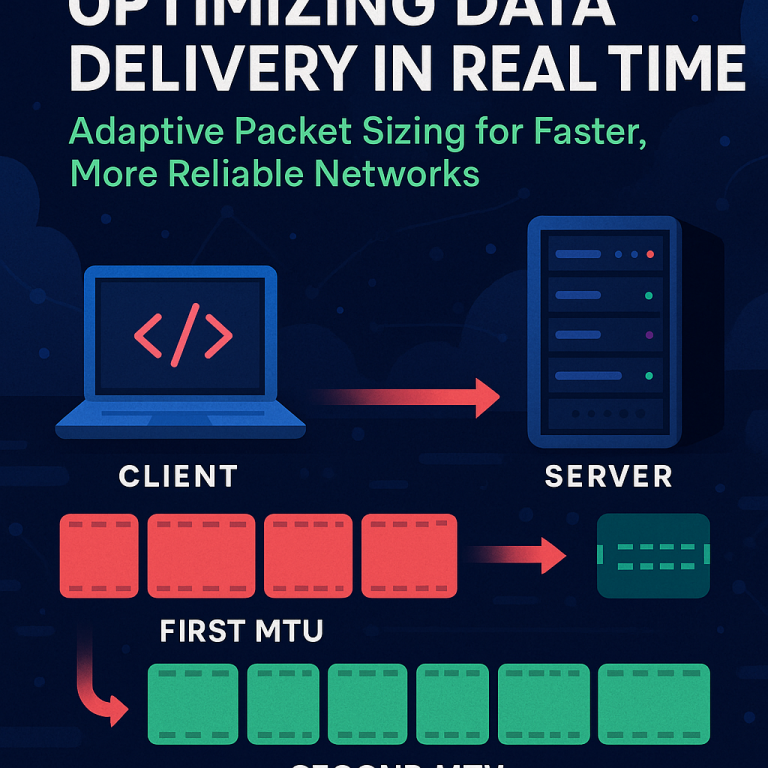
Imagine you are running a remote desktop session or sending data to a cloud service. At the start, your device and the server agree on the biggest packet size (the MTU) that works. They send packets back and forth, everything is fine. But then, somewhere in the network, the route changes, or a new bottleneck appears. Packets that used to get through are now getting stuck or dropped.
This new invention tells the device to keep a close eye on the packets being sent. If it notices that a certain number of packets, all larger than a set size, are failing to get through, it knows something has changed in the network. Instead of waiting for the user to notice the problem, the device acts right away.
While still sending smaller packets (to keep the session alive), the device looks at the largest packet size that still gets through without trouble. It then picks a new, smaller MTU based on that. From now on, all new packets are sized to fit this new limit. The device does not disconnect or restart the session. Everything keeps running, but now the packets are small enough to make it through the new path.
If the device receives special network messages, like an ICMP “packet too big,” or sees negative acknowledgments (NAKs) for large packets, it uses this as extra proof that the MTU has changed. It also keeps track of a count of failed packets, only triggering the change after a certain number of failures, to avoid false alarms from random glitches.
If a large packet is in the process of being sent and it fails, the device can split it into smaller packets right away. It even updates the packet numbers so the receiving end knows how to put everything back together. This helps keep everything in order and avoids confusion.
The invention also uses smart ways to remember what worked in the past. If it has seen similar problems on this network or for this device before, it can use that history to guess the new MTU more quickly. This means less trial and error, faster recovery, and a better user experience.
One of the best parts is that all this happens in the background, inside the session, without needing to drop the connection, redo security checks, or force the user to log in again. The session just keeps going, but now it is tuned to the new network path.
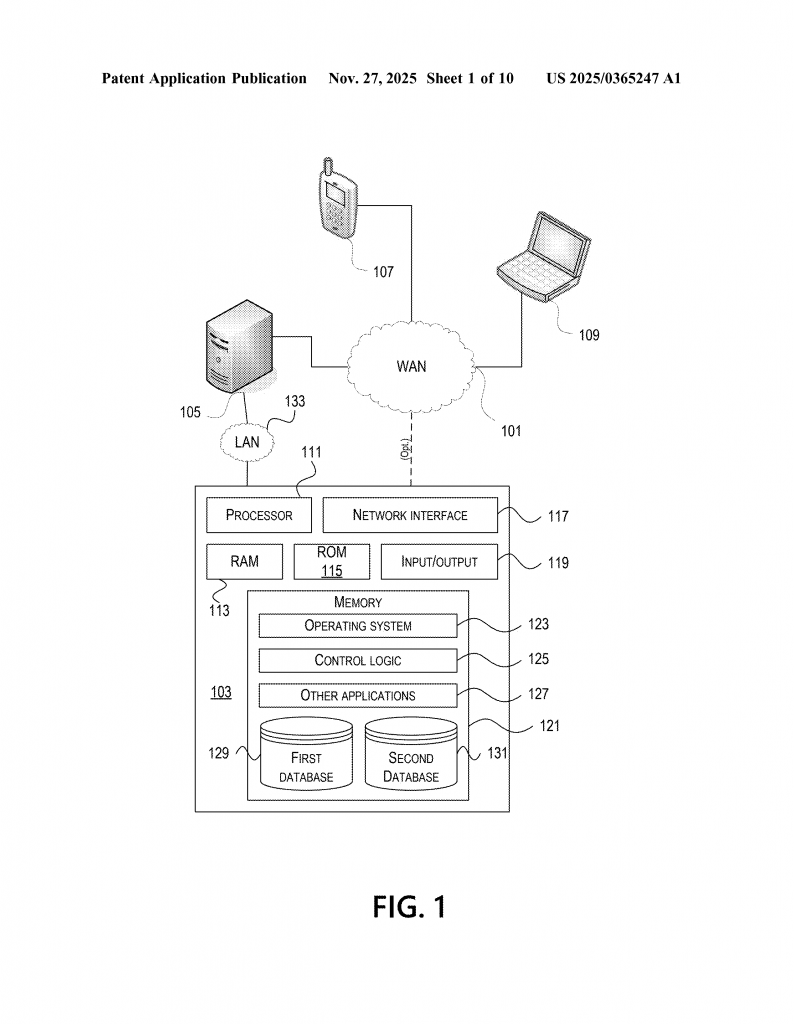
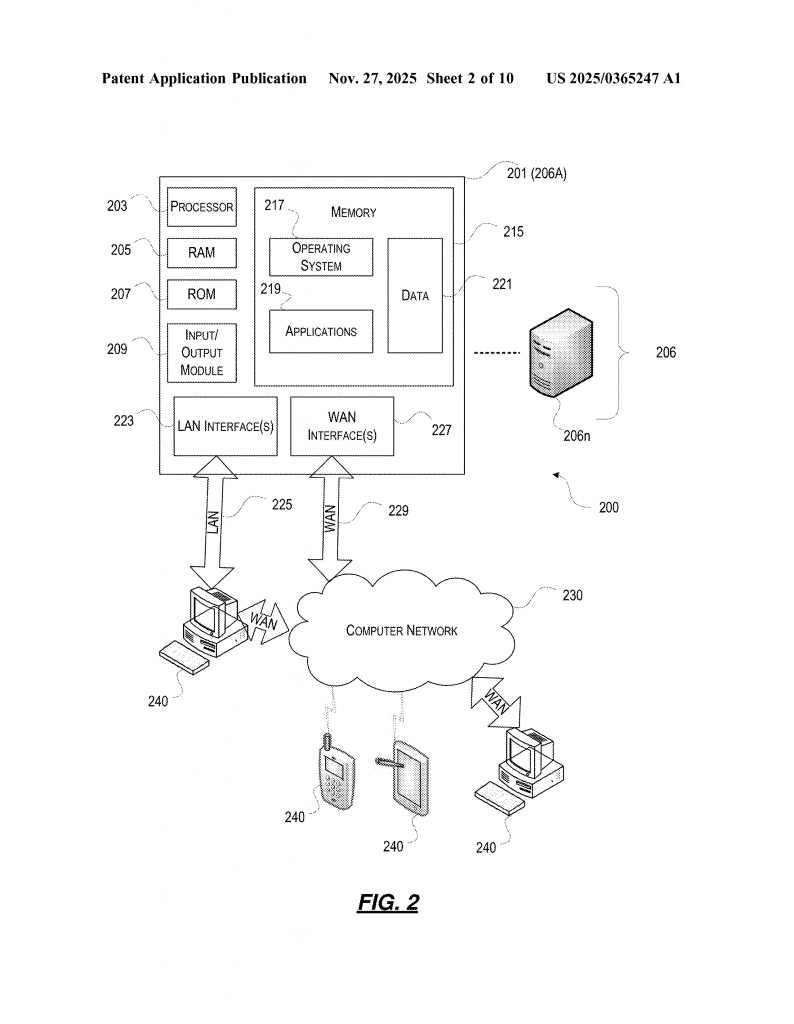
This system can be used in many kinds of networks—remote desktop, cloud servers, virtual machines, and more. It works for both client devices (like your laptop or phone) and servers. It even works if you are using virtual desktops or thin clients, which are common in big companies.
The method can be set up in software, hardware, or both. It can be built into operating systems, network drivers, or added as a feature to remote desktop apps, VPNs, or cloud services.
In short, this invention gives computers a new way to sense trouble and fix it instantly, making online experiences smoother and more reliable.
How This Benefits Users and Businesses
For users, this means fewer dropped calls, less buffering, and smoother experiences—even when the network is changing behind the scenes. For businesses, it means fewer support calls, happier customers, and less downtime for remote workers. In cloud environments, it helps keep virtual machines and apps fast and reliable, which is critical for productivity.
For network engineers and IT teams, this tool can help spot and solve MTU-related issues before they cause complaints. It also allows for smarter use of network resources, because packet sizes can be tuned to match real-world conditions instead of being set once and forgotten.
As more work and play moves online, and as networks become more complex and dynamic, this kind of smart, in-session adjustment will only become more important.
Conclusion
This new patent application tackles a real and growing problem in modern networking: how to keep data flowing smoothly when the network path changes in the middle of a session. By watching for packet failures, quickly finding a new safe packet size, and adjusting on the fly, the system keeps users connected and happy. It builds on older ideas but solves key gaps that older approaches missed. As more people rely on cloud services, remote work, and virtual desktops, this kind of smart, automatic packet adjustment will be a game-changer. The invention is not just a technical fix—it’s a big step forward for how we all use the internet, making connections more reliable, efficient, and user-friendly.
Click here https://ppubs.uspto.gov/pubwebapp/ and search 20250365247.