Invented by Oteri; Oghenekome, Ye; Chunxuan, He; Hong, Sun; Haitong, Zhang; Dawei, Zhang; Yushu, Zeng; Wei, Fakoorian; Seyed Ali Akbar, Yang; Weidong

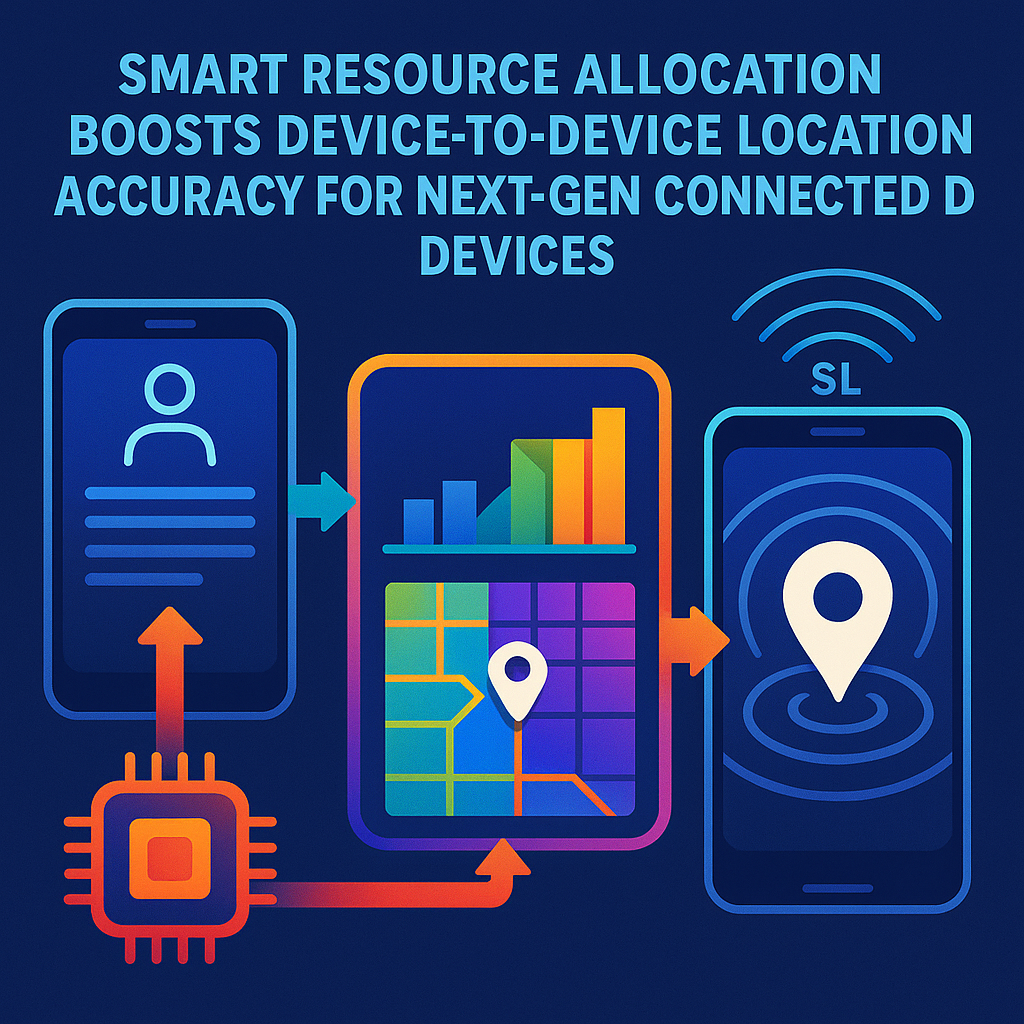
Wireless devices have changed the way we live, work, and move. As our world fills up with smart gadgets, cars that talk to each other, and machines that help us in ways we never imagined, knowing exactly where these devices are is more important than ever. A new patent application focuses on something called Sidelink (SL) localization, a method that lets wireless devices figure out their positions even when they can’t reach the main network. Let’s break down what’s happening in this patent, why it matters, and how it’s different from what came before.
Background and Market Context
In today’s world, most of us use devices that can connect to the internet, send texts, make calls, and guide us with maps. These devices, like smartphones, tablets, cars, and smartwatches, rely on wireless networks to do their jobs. The problem is, wireless coverage doesn’t reach everywhere. Think about cars driving through tunnels, rescue teams working in disaster zones, or even delivery robots deep inside big buildings.
When wireless devices lose contact with the main network, their ability to figure out where they are drops. This is a big problem, especially for things like autonomous vehicles, drones, or emergency responders, where knowing the precise location can be a matter of life and death. The market is pushing for solutions that let devices find their way, even without a steady network connection.
This is where Sidelink (SL) communication comes in. SL is a way for one device to talk directly to another, without needing to go through a base station or the regular network. Think of it as a shortcut that helps devices work together even when they’re on their own. Sidelink is already used in some car-to-car systems (like V2X), smart factories, and large events where lots of devices need to coordinate.
The big market need is clear: We want our devices to keep working, keep tracking, and keep positioning themselves, no matter where they are. That’s why companies, car makers, and network providers are all racing to make Sidelink localization better, faster, and more reliable. The patent we’re discussing addresses this exact need, aiming to make sure that devices can always know where they are—even in the hardest places.

Scientific Rationale and Prior Art
To understand the new invention, we first need to look at how devices have found their position in the past. Traditionally, devices use GPS, which talks to satellites in the sky. But GPS doesn’t always work indoors, underground, or when there are big buildings blocking the sky.
Another way is for devices to ask the main network, like a cell tower, for help. The network tracks the device’s signal and can estimate its position. This works well in cities or places with lots of cell towers, but fails in remote areas, basements, or during network outages.
Sidelink communication was created to help devices talk straight to each other, skipping the main network. This is used in special cases: cars talking to each other to avoid accidents, robots in a factory sharing updates, or phones sharing data at a crowded concert. Early Sidelink systems focused on sharing data, not on figuring out location.
Some research and patents tried to use Sidelink for positioning. Usually, they relied on devices sending out special signals (called reference signals) and measuring how long it takes for the signal to travel between them. By comparing these times, devices can estimate distance and, with enough data, figure out their position. Some methods used fixed pools of resources (slots or channels where these signals are sent), but these were not flexible. If the slots were busy, the system had problems. If too many devices tried to use the same resource, they could interfere with each other, making location data unreliable.
Prior solutions also struggled with combining Sidelink localization with ongoing data communication. Devices had to choose between sending data and figuring out their position, which could slow things down or make the location less accurate. There was also little flexibility in how different types of reference signals were used, and not enough smart handling of conflicts when different signals tried to use the same slot or channel.
In short, the old ways were either too rigid, too slow, or not reliable enough. The market needed a smarter, more flexible system that could handle different signals, avoid conflicts, and keep devices positioned accurately—no matter what was going on around them.

Invention Description and Key Innovations
The patent application introduces a new method and system for Sidelink (SL) localization that is both flexible and smart. Here’s what’s new, in simple terms:
Imagine you have two devices: Device A (the one that wants to know where it is) and Device B (which helps Device A). Device A can receive special instructions—called configuration parameters—from Device B. These instructions tell Device A how to set up its Sidelink localization process, including when and where to send or listen for signals.
The heart of the invention is about creating a resource allocation pattern. This is like a schedule or a map that shows which resources (slots, channels, signals) are used for what purpose. Device A uses the pattern to send and receive the special reference signals needed for positioning, while still being able to send and receive normal data. The pattern can be adjusted on the fly, based on what’s happening in the network and what each device can do.
Let’s break down the key innovations:
1. Dynamic Resource Allocation: Unlike old systems that used rigid, pre-set resource pools, this new method allows the device to pick from existing pools or create independent ones just for localization. If there’s an ongoing transmission, the device can carve out space in the slots for positioning signals, or set up a separate space if needed. This flexibility means less interference and better use of available resources.
2. Multiple Types of Reference Signals: The invention supports several kinds of reference signals: PRS (Positioning Reference Signal), PSRS (Positioning Sounding Reference Signal), and a joint PRS/PSRS. The system can choose the best type (or a mix) based on the device’s abilities. This helps devices with different capabilities work together for more accurate location data.
3. Collision Handling: Sometimes, different signals need the same slot or channel. This system introduces protocols to handle collisions. For example, if a reference signal and a data signal (like DMRS, PSCCH, or PT-RS) want the same resource, the system can decide which one gets priority, skip a signal, or move it to another slot. This keeps both data and positioning working smoothly, without getting in each other’s way.
4. Smart Slot Placement: The system lets reference signals be placed in a variety of slots. They can be mixed with data channels, feedback channels, or even in slots that would otherwise be empty. This makes it much easier to fit localization into the regular flow of data, without slowing things down or causing data loss.
5. Absolute and Relative Positioning: Device A can figure out its position in two ways: relative to Device B (for example, “I am 5 meters from you”), or in absolute terms (like GPS coordinates), if Device B knows its own exact location. This is especially useful for scenarios where only one device has a connection to the main network or to GPS.
6. Broadcasting and Capability Exchange: Device A can send out a signal to Device B, sharing what it can do and asking to start the localization process. This makes the whole setup more interactive and ensures that both devices are on the same page before starting.
7. Frequency and Time Domain Flexibility: The system doesn’t just work in fixed spots. It can adjust both in time (when signals are sent) and frequency (which channels are used), making it easy to avoid busy periods, dodge interference, or fit into special conditions like those found in car-to-car communication or smart factories.
8. Scalable to Many Devices: The system can handle more than two devices at once. This is important for things like fleets of delivery robots, groups of vehicles, or large gatherings of wireless gadgets. The pattern allows for multiplexing—fitting many signals together without confusion—so everyone can find their position at the same time.
9. Works Across Technologies: The method is designed to play well with existing and future wireless standards (like LTE, 5G NR, and beyond). It also supports cases where devices use more than one technology at the same time, switching as needed to maintain good positioning.
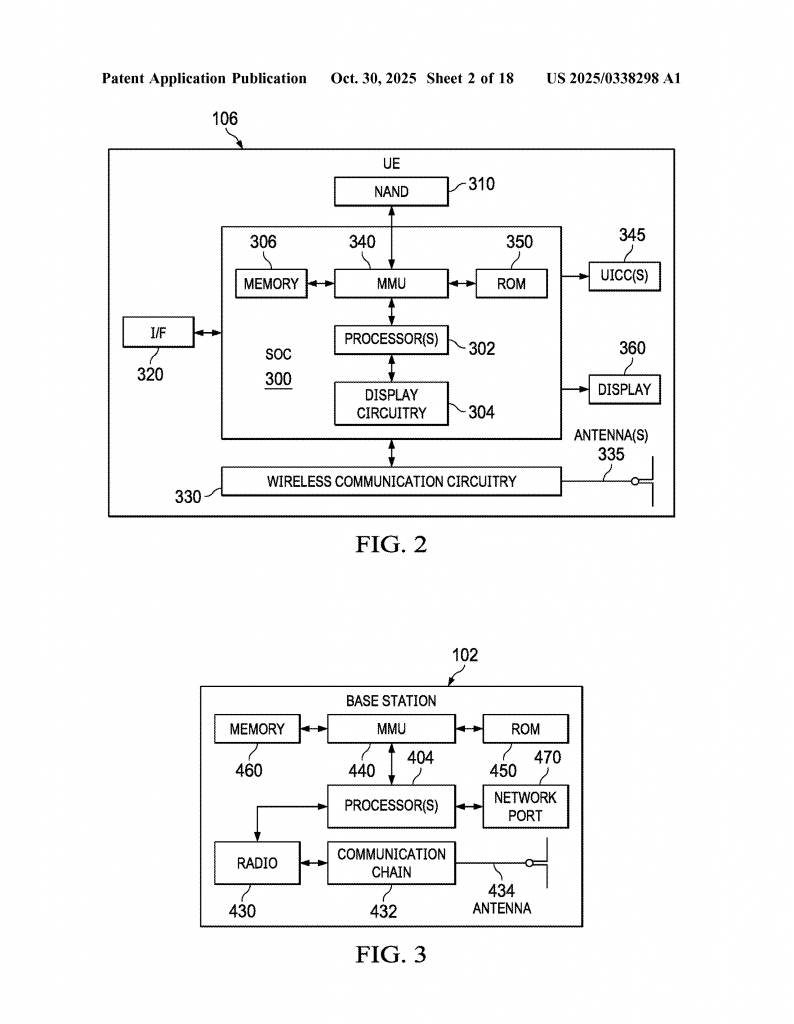
10. Hardware and Software Ready: The invention isn’t limited to software. It can be built into chips (integrated circuits), used as software in existing devices, or even combined in systems that mix both approaches. This makes it easy for device makers to adopt the technology without a complete overhaul.
These innovations combine to create a Sidelink localization system that is more accurate, reliable, and flexible than previous solutions. Devices can now position themselves and others in real time, even in tough environments where the main network is out of reach.
Conclusion
This patent application points the way to a future where devices always know where they are, no matter the situation. By making Sidelink localization more flexible, dynamic, and reliable, it solves real problems faced by autonomous vehicles, emergency teams, smart factories, and everyday users. The system’s ability to adapt, handle conflicts, and work with a wide range of devices and signals sets it apart from past solutions.
For businesses, device makers, and anyone interested in the next generation of wireless technology, understanding this invention is crucial. It gives you the tools to create products that are smarter, safer, and always aware of their surroundings. As wireless networks keep evolving, the need for dependable, flexible localization will only grow—and this patent offers a path to get there.
Click here https://ppubs.uspto.gov/pubwebapp/ and search 20250338298.