Invented by MolavianJazi; Ebrahim, Papasakellariou; Aristides
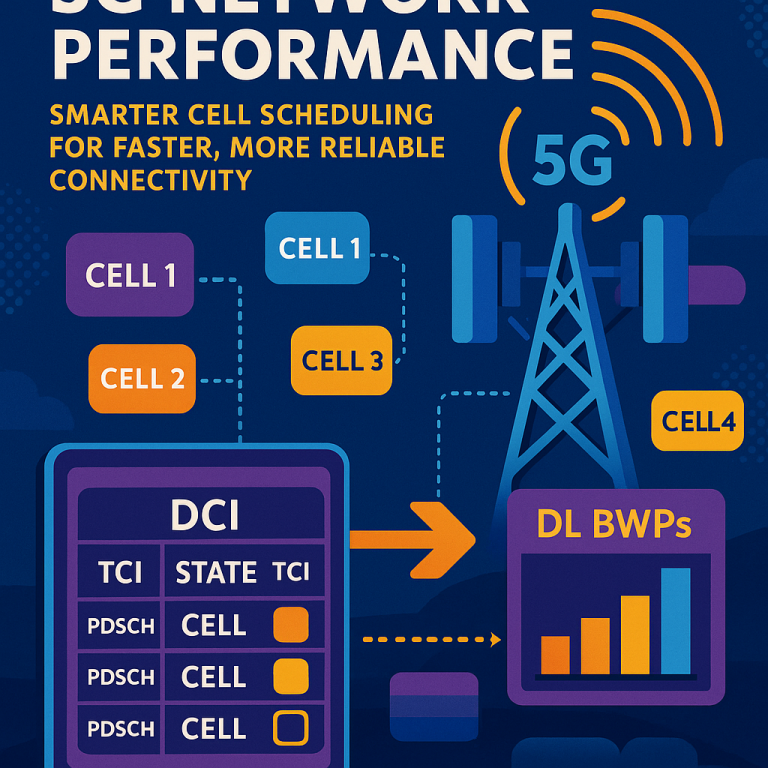
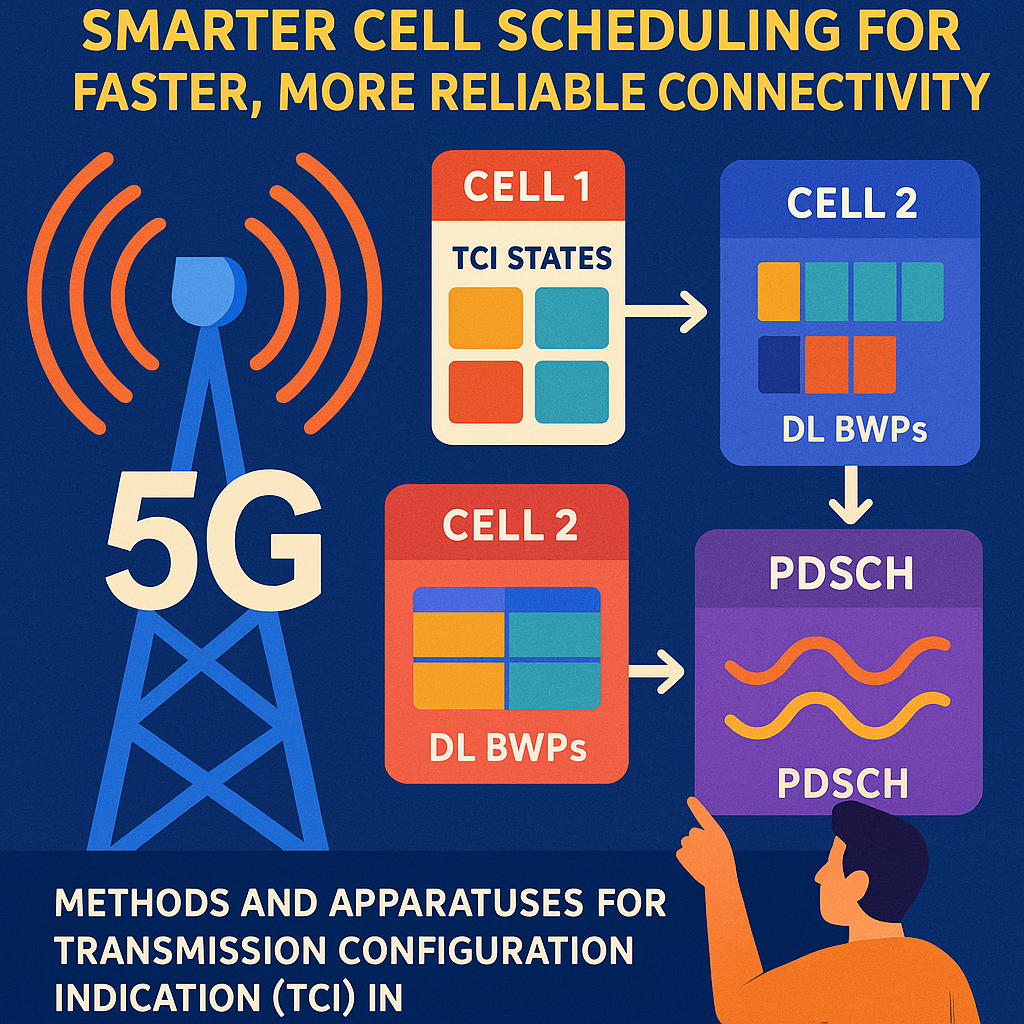
Wireless networks are always changing to keep up with the growing need for faster and more reliable data. One of the latest solutions is a new way to schedule transmissions across multiple cells in a 5G network. In this article, we’ll break down a recent patent application that covers advanced methods for what’s called Transmission Configuration Indication (TCI) in multi-cell scheduling. We’ll explain why this is important, what problems it solves, and how it works, all in simple terms.
Background and Market Context
Let’s start with why this invention matters. Over the past few years, the number of people and devices using wireless networks has exploded. We all use smartphones, tablets, and even smart machines, and we expect fast data everywhere. This has pushed network providers to look for new ways to make wireless networks stronger, faster, and more reliable.
5G, the latest generation of wireless networks, is designed to handle all this growth. It offers much higher speeds, lower delay, and better support for new uses like smart cities, self-driving cars, and connected factories. But making 5G work for everyone is not easy. The airwaves are crowded, signals sometimes interfere, and users move around. Networks need to work smarter, not just harder.
One big step is letting a phone or device connect to more than one cell at a time. Think of standing between two cell towers. Instead of picking just one, your phone could use both, getting better speed and reliability. But to make this work, the network must manage which cells are used, when, and how. This is where scheduling becomes very important.

Soon, networks will use even more advanced setups, like combining signals from many small cells, or letting devices talk directly to each other. This means more complex scheduling. The network must tell each device not just when and what to send or receive, but also from which cell, and using which settings. If this is not done well, you can get dropped calls, slow downloads, or wasted power.
In this context, the patent we’re discussing introduces a smarter way for the network to guide devices on how to receive and send data across several cells at once. This is called multi-cell scheduling with TCI. It has the goal of making wireless connections faster, more stable, and more efficient. It’s a building block for the future of mobile networks, including 5G and beyond.
Scientific Rationale and Prior Art
Now let’s talk about the science and what has been done before. In wireless communication, a “cell” is just a part of the network served by one base station. In 5G, a device can connect to several cells at once. This is called carrier aggregation or multi-cell operation. Each cell can use different frequencies or use different types of antennas. Managing all this gets complicated fast.
In older systems, scheduling usually happened one cell at a time. That means the network would tell your phone, “Download this data from cell A now,” and then later, “Now use cell B.” If you wanted to use two cells at once, the network had to send two separate instructions. This led to a lot of extra messages and wasted time. Also, each cell might have its own settings for things like how wide the channel is, or which beam to use. All those settings had to be sent separately, making things messy.
Another big challenge is what’s called beamforming. Modern antennas can point signals in certain directions, like shining a flashlight instead of a bare bulb. To use this, the device must know which “beam” to listen to. This is where Transmission Configuration Indication (TCI) comes in. TCI tells the device which beam or configuration to use for a certain transmission.
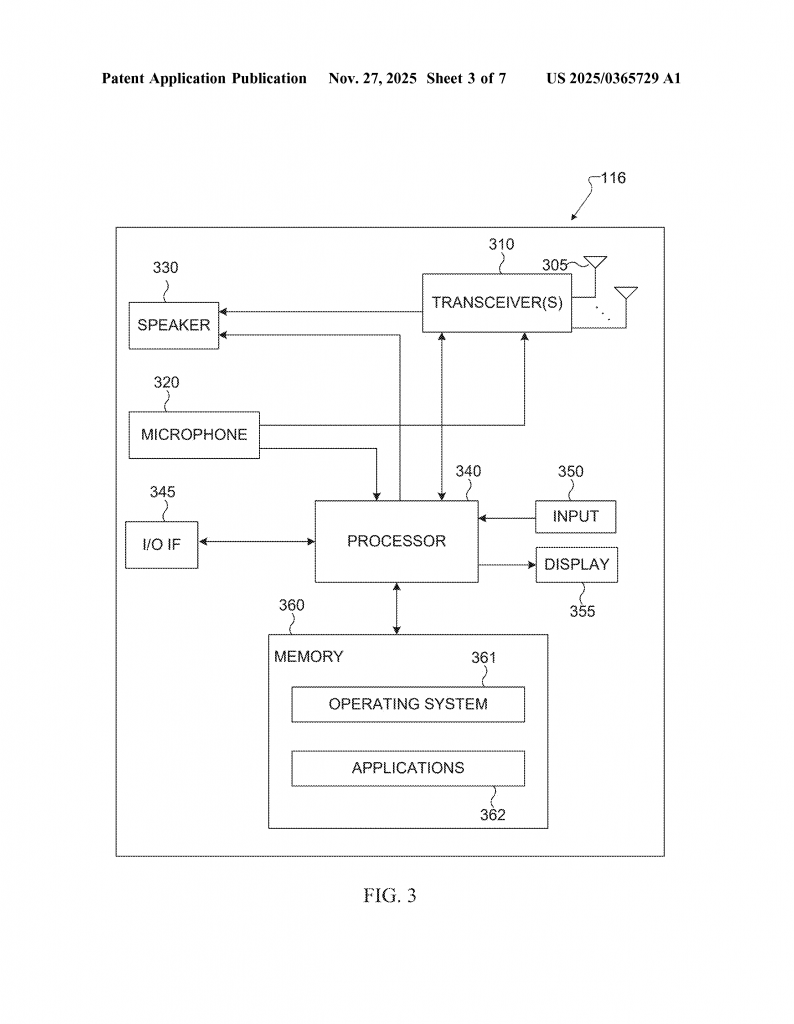
Before this invention, TCI states were usually managed separately for each cell. That means more overhead and more chances for mistakes. If you want to schedule downloads from several cells with different beams, you had to send a lot of control information. This wastes air time that could be used for real data. It also makes it harder to keep everything in sync, especially when devices move or the network changes quickly.
Prior art tried to solve these problems by grouping cells together or sharing some settings, but these methods were not flexible or efficient enough. They often required devices to make guesses or use extra signals to learn about the current settings for each cell. When more advanced features like hybrid automatic repeat request (HARQ) or dynamic bandwidth parts (BWPs) were added, things got even more complicated.
This is why the patent in question is important. It proposes a way for the network to send one smart message that covers all the needed instructions for several cells at once. It lets the device know which cells to use, which beams or TCI states to apply, and how to manage things like bandwidth and feedback. This saves time, reduces errors, and prepares the network for even more demanding uses in the future.
Invention Description and Key Innovations
Let’s get to the heart of the invention. The patent introduces a method and system for smarter multi-cell scheduling using TCI. Here’s how it works, step by step, in simple terms:
Receiving Smart Instructions
The device (called User Equipment, or UE) first gets some basic information about a set of cells it can use. Then, it receives a special control message from the network, called Downlink Control Information (DCI). This message can schedule data downloads (PDSCHs) from one or more cells at the same time.
TCI Fields for Multiple Cells
Inside the DCI, there’s a TCI field. This field tells the device which beam or TCI state to use for each of the scheduled cells. It can also include TCI states for other cells in the set that are not scheduled right now, so the device knows how to prepare for future use or changes.
Bandwidth Part Switching
Each cell can have several bandwidth parts (BWPs)—think of these as different lanes on a highway, each with its own rules. The DCI includes a BWP indicator, so the device knows which lane to use for downloading from each cell. This is important for saving power and adapting to changing network loads.
HARQ and Feedback Codebooks
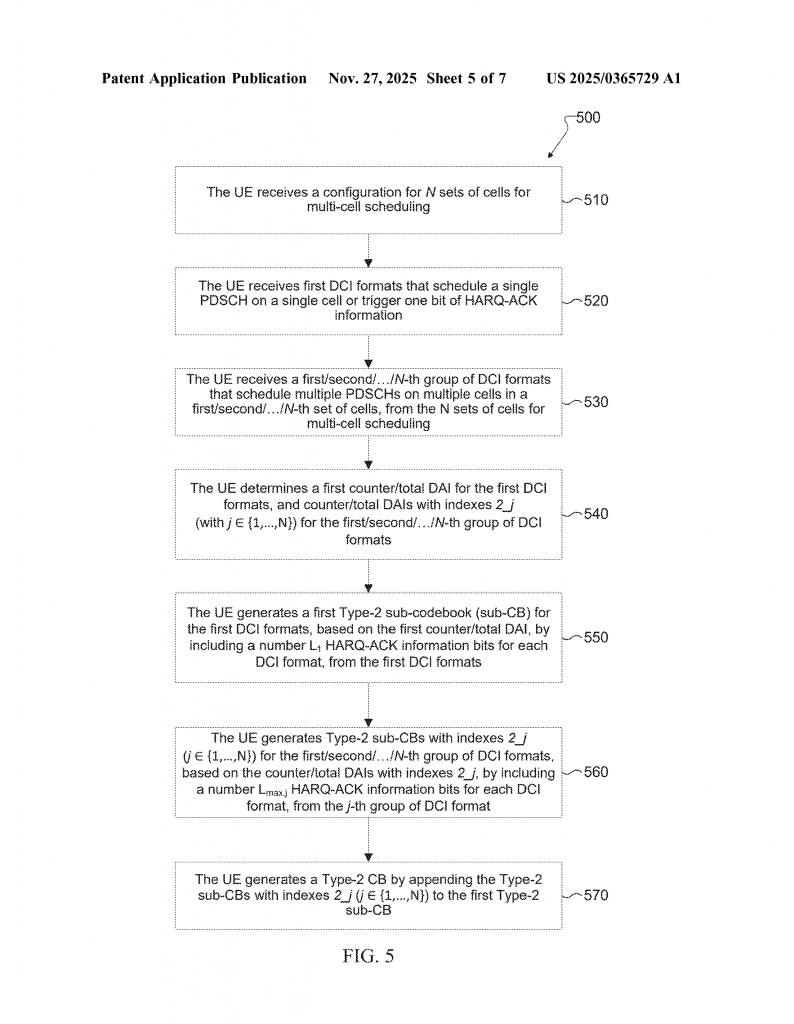
The device needs to tell the network if it received the data correctly. This is done using HARQ-ACK (Hybrid Automatic Repeat Request – Acknowledgement) feedback. The invention includes a smart way to organize this feedback using codebooks. The feedback covers all the scheduled cells and even includes a bit for the smallest-index cell among those not scheduled but still involved (for example, to acknowledge a TCI update or special state).
Efficiency and Flexibility
The system allows the network to pack all this information—cell selection, TCI states, BWP choices, and feedback structure—into a single, efficient control message. The device can easily sort out which instruction applies to which cell, even if the network is scheduling several cells at once or changing configurations quickly.
Adaptability to Network Events
If there are changes, like a bandwidth part switch or a cell going dormant, the device can handle it smoothly. The control messages can include signals for these events, and the device can use default rules if something is missing or unclear. This keeps the connection robust and avoids dropped packets or confused states.
Support for Future Use Cases
The invention is built to support not just today’s 5G networks, but also future systems like 6G or networks for drones, cars, or smart factories. It can handle cases where the device is moving, where the network is using different frequencies, or where there are many small cells working together.
Practical Example
Imagine you’re downloading a video while walking through town. Your phone might be in range of three different cells. The network wants to send parts of the video from each cell, using the best beam for each one. With this invention, the network sends one smart message telling your phone, “Use cell A with beam X and BWP 1, cell B with beam Y and BWP 2, and cell C with beam Z and BWP 3. Here’s how to report back if you got the data.” Your phone follows these instructions, gets the data quickly, and tells the network what worked. If the network needs to change things (maybe cell C goes offline), it just updates the message next time. Everything is fast, smooth, and efficient.
Why This Matters
This new way of multi-cell scheduling with TCI saves control channel space, reduces errors, and allows for more flexible network use. It helps support new applications where speed, reliability, and the ability to use many cells at once are critical. It also prepares networks for future growth, where more devices will be connected, and the demands will only increase.
Conclusion
As wireless networks continue to advance, smarter ways to manage how devices talk to multiple cells become vital. The patent we explored today introduces a flexible and efficient method for multi-cell scheduling using TCI, bandwidth part control, and unified feedback. By letting the network send clear, combined instructions for several cells at once, this invention lays the groundwork for faster, more robust, and more adaptable wireless connections. Whether you’re streaming, working, or using smart devices in a factory, these advances will help ensure your connection is smooth, reliable, and ready for whatever comes next.
Click here https://ppubs.uspto.gov/pubwebapp/ and search 20250365729.