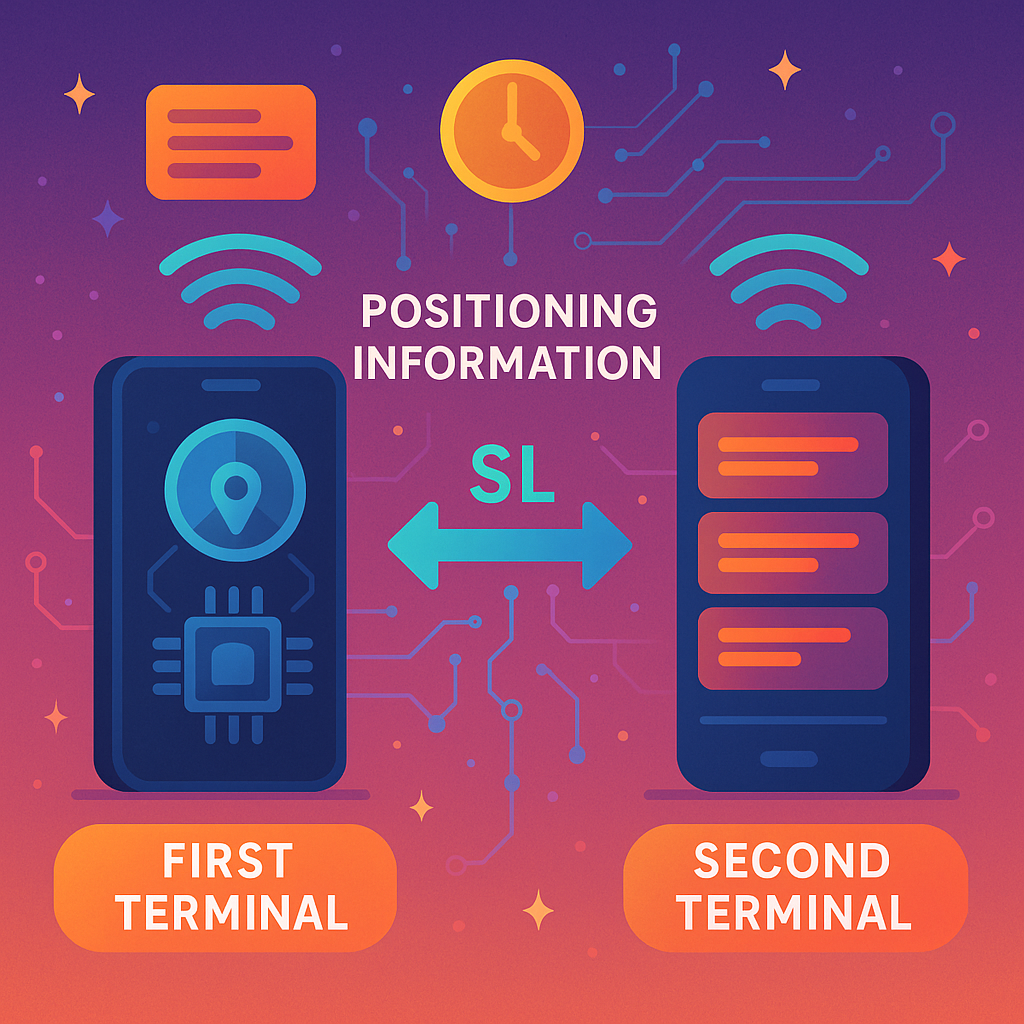
Invented by Oteri; Oghenekome, Ye; Chunxuan, Zeng; Wei, Sun; Haitong, Yao; Chunhai, Zhang; Yushu, Zhang; Dawei, Fakoorian; Seyed Ali Akbar, Ye; Sigen, Niu; Huaning
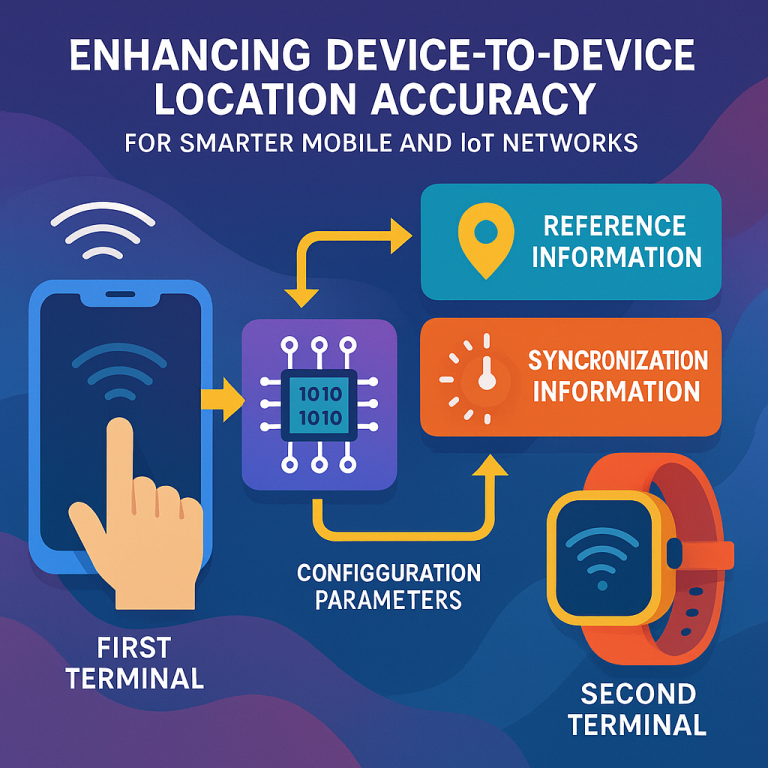
Wireless devices are everywhere now. Every day, we use smartphones, tablets, and other gadgets that talk to each other and to bigger networks. But how do these devices figure out where they are, especially when they can’t see satellites or connect to the main network? This article walks you through a new patent application that teaches wireless gadgets how to find their position by talking directly to each other, a method called Sidelink (SL) localization. Let’s break down what’s driving this invention, the science behind it, and what makes this patent special.
Background and Market Context
Today’s world is driven by wireless connections. Almost every gadget, from our phones to our cars and even to our home appliances, uses some form of wireless communication. As more devices join the network, the need for accurate location data grows. Why does location matter so much? For one, services like ride-sharing, delivery, and emergency response all depend on knowing where devices are. On top of this, as cars, drones, and other moving things start to connect with each other (what’s called V2X, or vehicle-to-everything), fast and accurate positioning becomes even more important.
Traditionally, devices use GPS to figure out where they are. GPS works well outside, but it struggles inside buildings, underground, or in crowded cities with tall buildings. Sometimes, devices are also out of range of cell towers or main networks, especially in rural or disaster-struck areas. In these places, devices need a new way to know where they are.
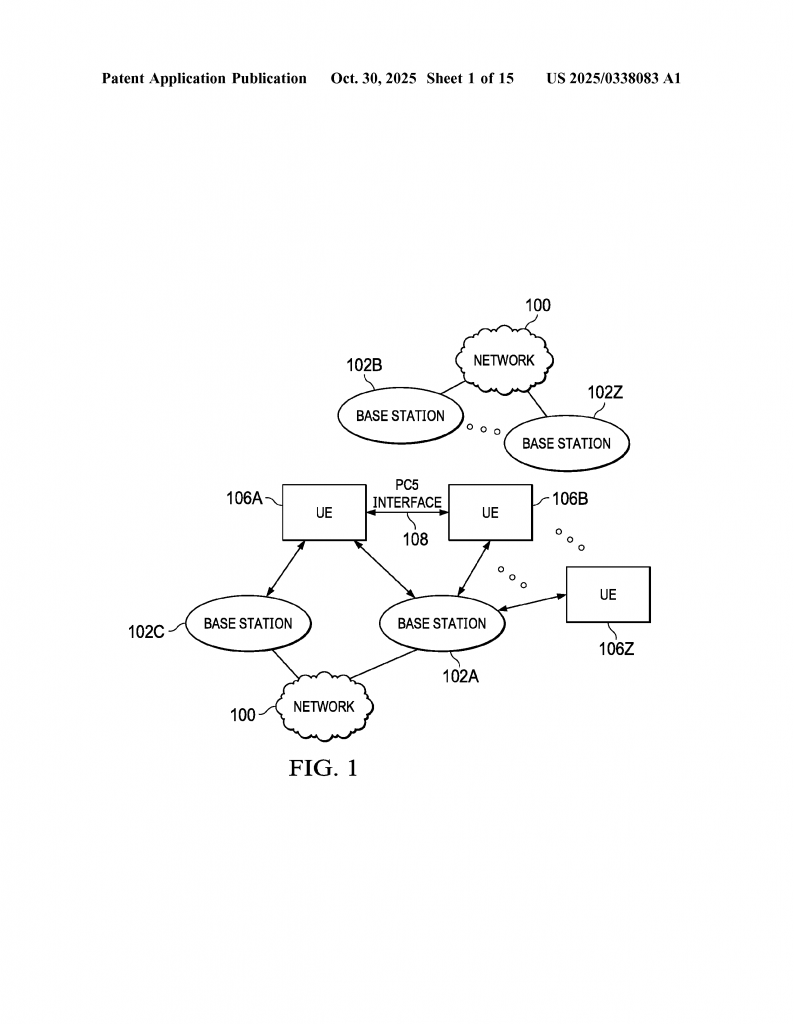
This is where Sidelink (SL) technology comes in. Sidelink means that devices talk directly to each other without needing a central tower. These direct connections are already used for things like public safety communications, letting first responders talk to each other when the main network is down. As 5G and future 6G networks roll out, Sidelink is becoming a key tool for connecting cars, robots, and smart devices. But for these systems to work well, they need to know exactly where every device is—even when GPS or normal networks are not available.
The market is ready for better solutions. Companies building smart cars, robots, and networks for public safety all need ways to pinpoint device locations reliably. The new patent application addresses this need by teaching devices how to work together, share information, and figure out their own positions through direct communication. This is a big step forward for industries that rely on smart, connected devices in tricky environments.
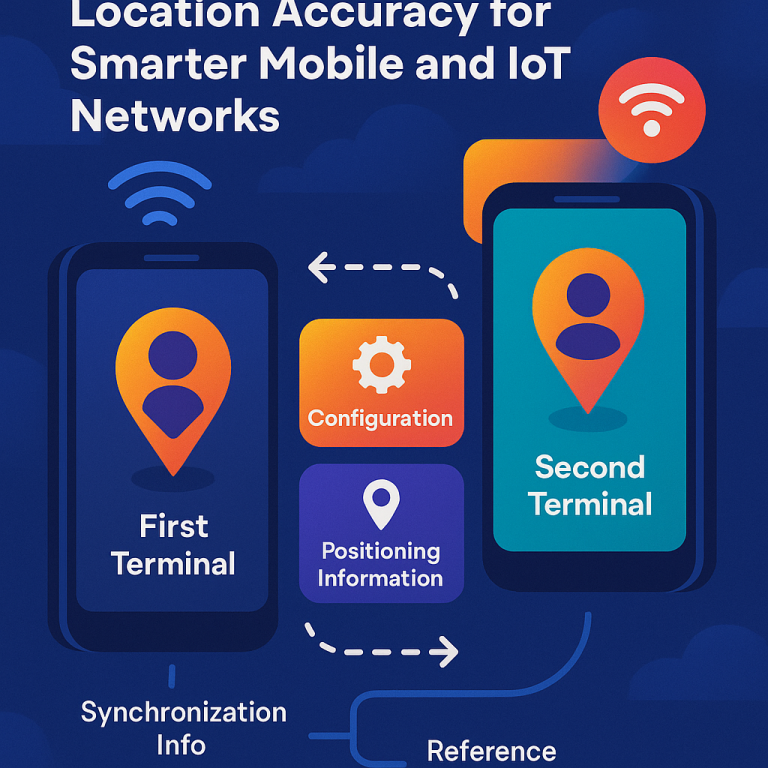
Scientific Rationale and Prior Art
To get why this invention matters, let’s talk about how devices have found their position in the past and what’s changing now.
Most location systems today use satellites (like GPS) or signals from cell towers (triangulation). These methods work when signals are strong and clear. But inside buildings, tunnels, or deep in the city, signals can get blocked or bounced around. Devices can also lose connection to the main network, making it hard to use normal positioning tricks.
Engineers and researchers have looked at ways for devices to help each other find their position. Some systems let devices share signal strength or timing data, or use “beacons” that tell everyone where they are. But many of these solutions require the network to be working, or at least one device to have a good fix on its own location (like knowing GPS position).
The idea of Sidelink communication started to address this. With Sidelink, devices can talk to each other directly, without needing the network. This is used in public safety, car-to-car communication, and smart factories. But Sidelink by itself doesn’t solve the location problem. Devices need ways to agree on timing, share reference signals, and decide which device will be the “anchor” or reference point.
Previous patents and research have explored things like Time Difference of Arrival (TDOA), where devices measure how long it takes a signal to travel from one to another, or Angle of Arrival (AoA), where they look at the direction signals come from. These techniques can work, but often need very careful coordination and sometimes special hardware.
Older solutions also don’t handle all the tricky cases, like when devices can’t talk to the main network or when none of them has a GPS fix. Some require a lot of manual setup, or only work for certain types of devices (like cars, but not phones or wearables).
This new patent stands out by giving devices a way to automatically pick the right positioning method, set up reference and synchronization information, and share the job of figuring out location—even if none of them is fully “connected.” It blends several scientific techniques (TDOA, AoA, AoD, and group-based measurements) into one flexible system. This lets devices adapt to whatever situation they’re in, making Sidelink localization more useful and robust.
Invention Description and Key Innovations
Now let’s get into what this patent actually covers and why it’s unique.
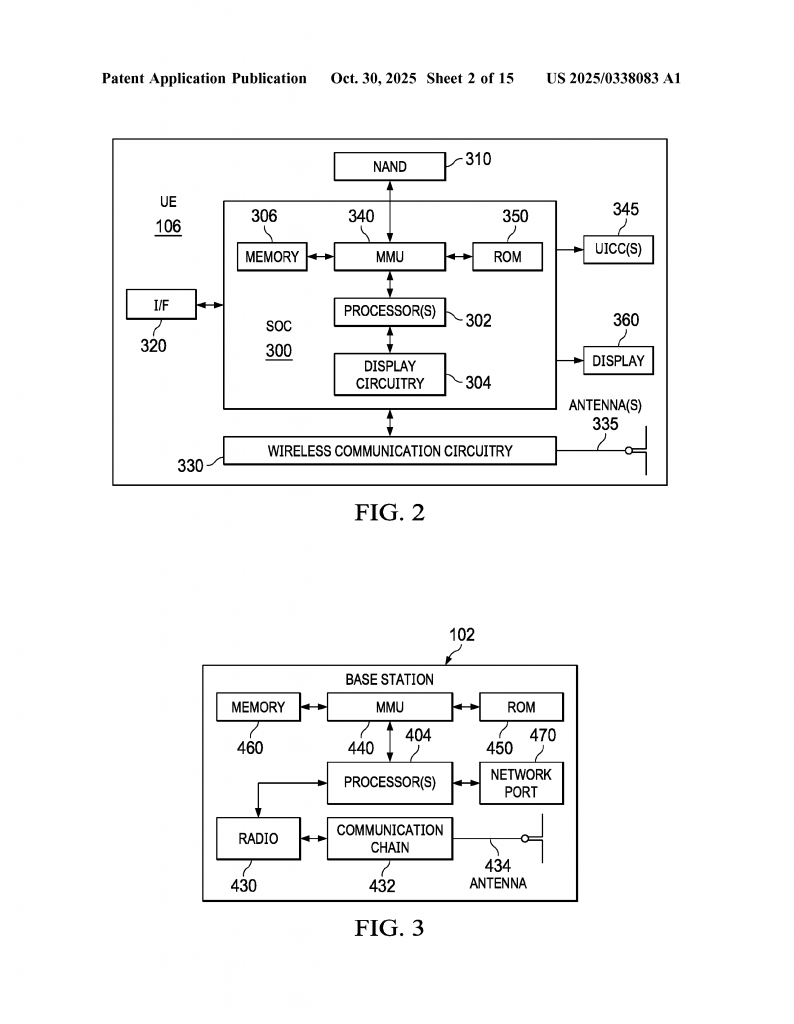
At its heart, the invention is about a “first terminal”—think of this as any device, like your phone, a car, or a wearable gadget. The invention teaches this device how to:
1. Receive Configuration Parameters: The device listens for special parameters sent from another device (the “second terminal”—maybe a friend’s phone, a car, or a base station). These parameters tell the first device what kind of location procedure to use, what reference signals to look for, and how to keep everything in sync.
2. Decide on Reference and Sync Information: Using the received parameters, the device figures out which other device will act as the “anchor” (the one with a known location) and how everyone will stay on time. This is key for making sure the measurements are accurate.
3. Set Resource Allocation Patterns: Devices need to share the “air space” so they don’t talk over each other. The invention teaches devices how to pick and use patterns for sending signals, making sure they don’t interfere with each other and that every device gets a turn to send and listen.
4. Start the Localization Process: The device can send out a broadcast message that says, “Here’s what I can do (my capabilities), and I want to start a location procedure.” This gets the ball rolling and lets other devices know what’s happening.
5. Handle Different Scenarios: The patent covers methods for when devices are out of network coverage, when some have GPS and some don’t, and even when there’s no base station involved at all. Devices can work together in pairs, groups, or with a central “manager” (called the Localization Management Function or LMF).
6. Support for Multiple Techniques: The invention isn’t tied to just one way of figuring out location. It covers:
- Time Difference of Arrival (TDOA): Measuring how long it takes signals to travel between devices.
- Angle of Arrival (AoA): Checking the direction a signal comes from.
- Angle of Departure (AoD): Checking the direction a signal leaves from another device.
- Group ID: Using measurements from a group to help each other figure out where they are.
By supporting all these methods, devices can pick what’s best for their situation.
7. Sharing and Calculating Position Information: The invention shows how devices can share their measurements, either letting one device do the math or splitting it up. This is useful if one device is more powerful, or if privacy and battery life matter.
8. Working with and without the Network: The patent covers how to use these methods whether there’s a base station nearby, or if devices are totally on their own. This is especially helpful for first responders, vehicles, or devices in remote areas.
What sets this invention apart is how it makes Sidelink localization flexible, efficient, and ready for real-world problems. It doesn’t require every device to have high-end hardware, and it can adapt as devices move in and out of coverage. The system is also designed to avoid draining device batteries or slowing down other communications.
Let’s put this into a real-world example. Imagine a group of rescue workers inside a building with no GPS signal. Their devices (radios, phones, wearables) can’t see the main network. With this invention, one device can send out a message saying, “Let’s figure out where we are.” The group picks which device will act as the anchor (maybe the team lead who last had a GPS fix outside), sets up how to share timing and reference signals, and each device sends and receives signals in a careful pattern. As the signals go back and forth, each device works out its position relative to the others. If someone finds a window and gets a GPS fix, that info can be shared to update everyone’s location. The process is automatic and keeps working as people move around.
In cars, this could let vehicles on a highway keep track of each other even if there’s no cell coverage—for example, in tunnels, remote highways, or during a disaster. The system is smart about how it picks timing, references, and signal patterns, so it works even when the number of devices changes or when there’s interference.
Finally, the patent also covers a method for making these features work in hardware (integrated circuits), so device makers can build this right into chips for phones, cars, and wearables.
Conclusion
Wireless devices need to know where they are, and finding that out isn’t always easy. This patent application takes a big step by letting devices work together, using direct Sidelink connections to find their locations even when GPS and networks aren’t available. By blending different scientific methods and making it automatic and flexible, this invention gives device makers and users a way to get reliable location data anywhere. As our world gets more connected—and more dependent on location—these kinds of solutions will keep us safer, smarter, and more connected.
Click here https://ppubs.uspto.gov/pubwebapp/ and search 20250338083.