
Invented by Mamidwar; Rajesh Shankarrao, Katre; Prashant, Avago Technologies International Sales Pte. Limited
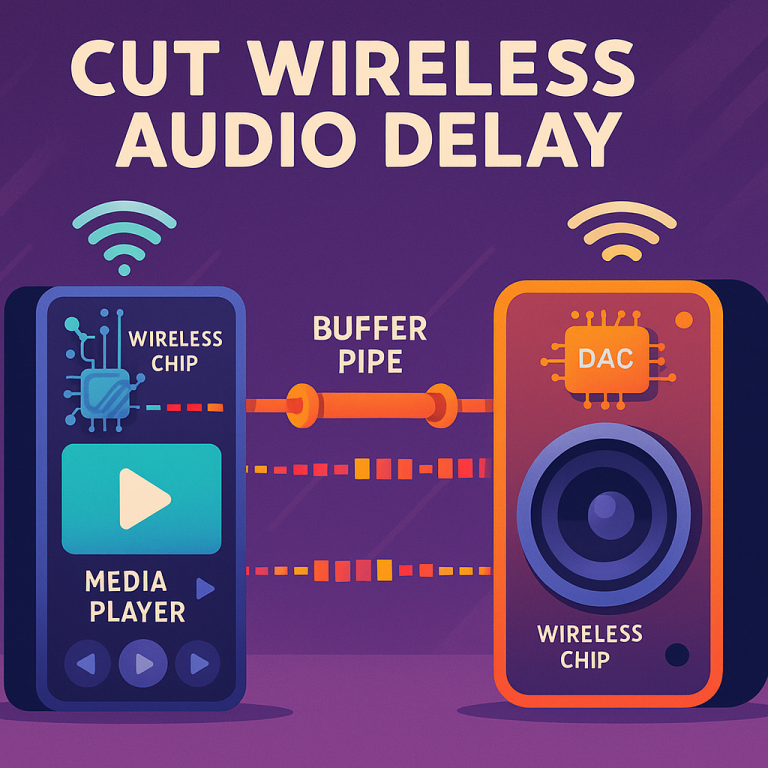
Delivering smooth and synced audio in our homes is not as easy as it sounds. If you’ve ever noticed your movie’s sound lag behind the action, or your wireless speaker seems just a little “off” from what’s on your TV, you’re not alone. With more devices going wireless, keeping audio and video perfectly in time has become a huge challenge. A new patent application offers a fresh way to fix this, making wireless audio sound as instant and sharp as possible.
Background and Market Context
Wireless audio has become a staple in homes, offices, and even cars. People love listening to music or watching movies without having to fuss with cords. Devices like smart TVs, set-top boxes, home theater systems, and streaming sticks (like those from Roku or Apple) all offer wireless sound through speakers that can be placed anywhere in a room—or in different rooms entirely.
The dream is a setup where every device works together, delivering sound and picture at the same time. But the reality often falls short. Many people experience a tiny, but annoying, delay between what they see and what they hear. For example, a character’s lips move before you hear their words, or the boom of a car crash comes just a bit too late. Even a delay of only a few milliseconds can break the illusion and ruin the experience.
This problem gets worse as more people use Wi-Fi for everything. All the devices in a house—phones, laptops, tablets, security cameras, and speakers—fight for the same wireless space. When the network is busy, delays pile up. On top of that, wireless speakers and the devices that play media (like TVs or set-top boxes) have to process and send audio data through several layers of software before it reaches your ears. Each step adds a tiny pause.
The market is hungry for a fix. Consumers want wireless sound that’s instant, sharp, and perfectly in sync with the video—even when the Wi-Fi is crowded or the devices are in different rooms. Streaming platforms, TV makers, and audio brands are all racing to solve this. They want to offer the smoothest, most “real” experience possible, because even a small improvement can set a product apart.
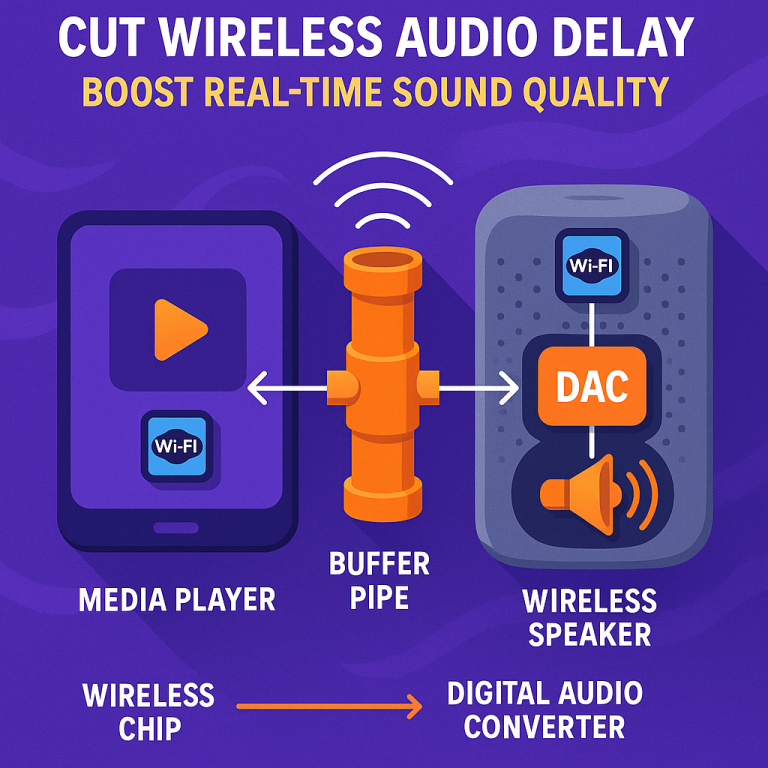
The new patent application steps in here, promising a way to cut out the extra delays and get audio from your media player to your wireless speaker as fast as possible. If it works as described, it could change how we set up and enjoy our home entertainment, making every movie night and music session better.
Scientific Rationale and Prior Art
To understand the new approach, let’s look at how things usually work. In a typical wireless audio setup, a TV or media player takes the audio part of a movie or song and sends it, usually over Wi-Fi, to a wireless speaker. But before the sound gets from one device to another, it has to travel through many software layers—each designed for different jobs.
First, there’s the application layer, which handles things like apps and user controls. Next, there’s the networking stack, which breaks the sound into data packets, wraps them in special codes, and manages how they move across Wi-Fi. Then, there’s the transport layer, which keeps track of whether all the packets arrive in the right order and on time. Each of these layers is important for general data, but for real-time sound, they add extra work and slow things down.
This is called “latency.” In wireless audio, latency is the time between when a sound is made in the media player (like a character shouting in a movie) and when it plays from the speaker. Most systems add up to dozens or even hundreds of milliseconds of delay. That doesn’t sound like much, but our brains are very sensitive to these tiny gaps.
Many older solutions tried to fix this by simply making the software layers a little faster, or by increasing the size of the audio “buffer” (a place where data is stored before being played). But these fixes only work up to a point. If the Wi-Fi gets crowded or loses packets, the system either drops sound or adds even more delay to fill in missing data.
Some setups use Bluetooth instead of Wi-Fi. Bluetooth can be faster in some cases, but it has limits in sound quality and range. Plus, it still goes through several software layers that add delay.

Other patents and products have focused on “synchronization” methods, where all the speakers in a system try to agree on a timing signal. This helps keep sound in sync across different rooms, but it doesn’t always solve the basic problem of how long it takes for sound to get from the media player to the speaker.
In the scientific and engineering world, there has been growing interest in “bypassing” layers of software to make things faster. One such tool is the Inter-IC Sound (I2S) protocol. I2S is a simple, fast way for chips inside a device to send digital audio data to each other. It’s usually used inside a TV or speaker, not over Wi-Fi. Using I2S for wireless audio data is new and potentially game-changing.
The new patent takes this idea further. Instead of sending audio through all the normal software layers, it proposes a direct “buffer pipe” between the wireless chips in the media player and the speaker. This pipe uses the I2S protocol, allowing audio data to travel quickly without all the extra steps. The data goes straight from the media player’s chip to the speaker’s chip, then directly to the part that turns digital sound into real sound (the digital-to-analog converter).
What makes this approach special is the focus on skipping as many slow steps as possible, using a protocol designed for fast audio inside a single device and applying it to wireless connections. This is different from most past solutions, which tried to tune or tweak existing software layers instead of bypassing them. The result, in theory, is much lower latency and a better user experience.
Invention Description and Key Innovations
The heart of this invention is a smarter, faster way for your media player (like a TV, set-top box, or home theater system) to talk to your wireless speakers. Here’s how it works in simple terms:
When you play a movie or a song, your media player creates digital audio data. Instead of sending this sound through the usual maze of software steps, the system builds a special “buffer pipe” between its own wireless chip and the wireless chip inside your speaker. This pipe is like a shortcut tunnel, made using the I2S protocol—a language chips speak to trade audio data quickly.
The buffer pipe lets the audio skip the “transport layer stack.” That means it doesn’t have to be broken up, checked, and rebuilt by lots of software. Instead, the sound samples are handed straight from the media player’s chip to the speaker’s chip, as fast as the hardware allows.
Once the speaker’s chip gets the data, it sends it right away to a digital audio converter, which turns the digital bits into real sound you can hear. There’s hardly any waiting or extra work in between. The patent also covers ways to send the audio data as simple, uncompressed formats (like PCM), which means there’s no extra time spent compressing or decompressing sound.
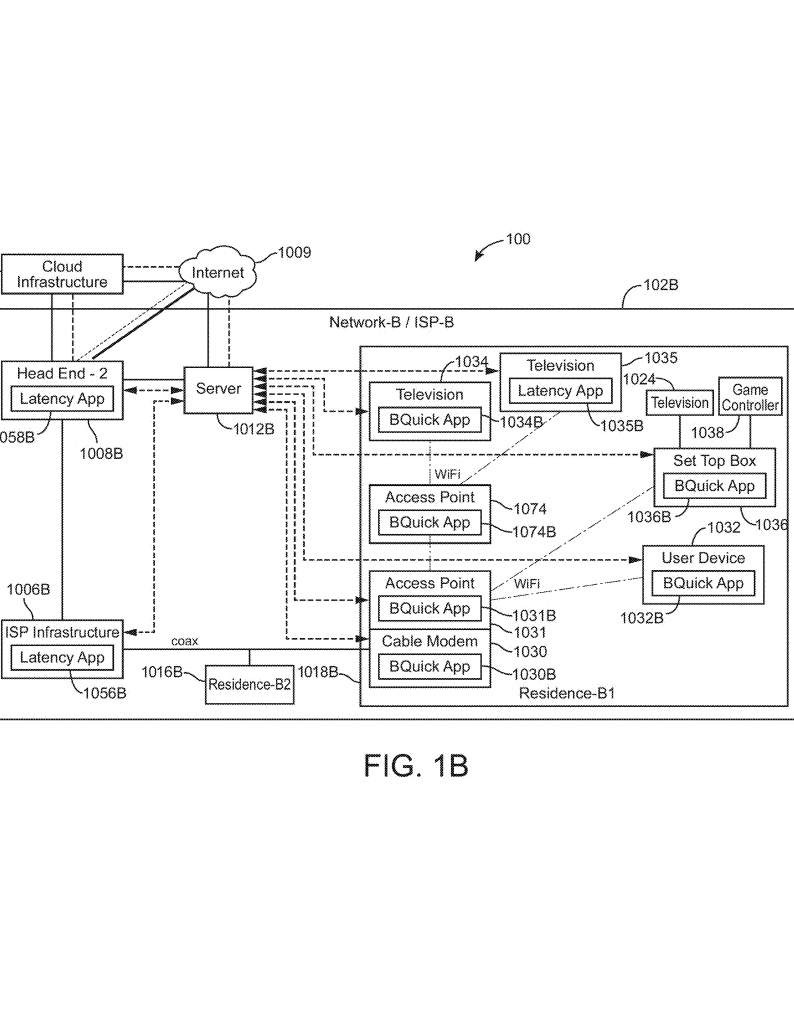
Another important piece is the use of “constant bit rate” and “high priority” data pipes. If you’re using a Wi-Fi network with an access point (like a home router), the system sets up a steady, reserved stream between the media player and the access point, making sure audio data has a clear path. Then, from the access point to the wireless speaker, it creates a channel where audio always goes first, ahead of things like web browsing or downloads. This helps keep the sound smooth even when the network is busy.
The patent also describes ways for the system to spot when it needs to disable “data aggregation”—a trick that packs many data packets together to save space, but can add delays. For low-latency applications like music or gaming, the system can turn this off, so each piece of sound goes out right away.
Another clever part is how the system avoids taking detours through extra “mesh nodes” in a network. Instead of bouncing the audio through several devices before it reaches your speaker, the system looks for the fastest, most direct route.
The patent is flexible, covering lots of possible devices—set-top boxes, TVs, home theaters, and streaming gadgets. It also allows for different ways of pairing and discovering speakers, either automatically or with user help.
To sum up, the main innovations are:
1. Building a direct “buffer pipe” between media player and speaker wireless chips using the I2S protocol, letting audio skip most software layers.
2. Sending audio data in simple, uncompressed formats to avoid extra work.
3. Setting up special “priority” and “constant rate” channels on the network so audio always gets through first and fastest.
4. Turning off slow features like data aggregation when low latency is needed.
5. Making the system smart enough to find the fastest route and avoid delays caused by extra devices or hops in the network.
All these steps work together to make sure sound gets from your video or music player to your wireless speaker as quickly as possible, staying perfectly in sync with the picture—even if the network is busy or the devices are far apart.
Conclusion
This new patent offers a simple yet powerful way to fix one of the biggest headaches in home entertainment: audio delay from wireless speakers. By creating a direct path for sound data, skipping slow software steps, and giving audio top priority on the network, the system promises to make movies, music, and games feel more real. If adopted by device makers, this could set a new standard for how we enjoy wireless audio at home. The technology is clever in its simplicity—it uses smart shortcuts instead of more complicated software—and that’s what makes it so promising. For everyone who loves great sound in their living room, this is a big step forward.
Click here https://ppubs.uspto.gov/pubwebapp/ and search 20250338066.