Invented by KIM; Ji-Seong, LEE; Jeongeun, UNIVERSITY OF SEOUL INDUSTRY COOPERATION FOUNDATION
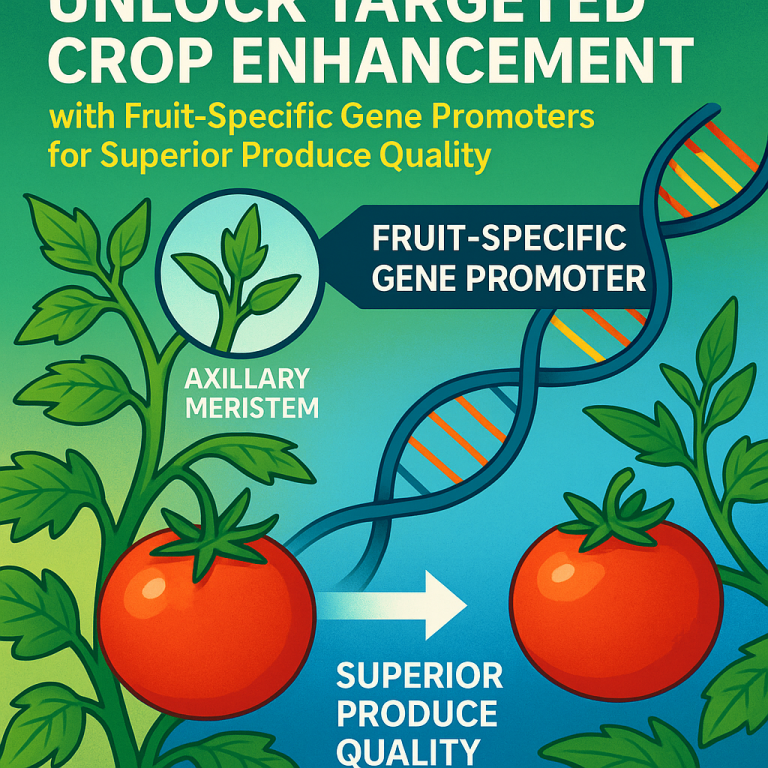
Let’s explore an exciting new development in plant biotechnology—a DNA sequence that helps plants make changes in very specific places, like only inside fruits or where branches start. This isn’t just a clever trick for scientists; it could help us grow better fruit, make healthier foods, and even keep plants strong when the weather gets tough. In this article, we’ll break down the background, go over the science, and explain this unique invention in a way that’s easy to grasp.
Background and Market Context
If you’ve ever eaten a seedless tomato or wished fruit could be even healthier, you’re not alone. Farmers and scientists have been working for years to find ways to grow better crops. One big tool in their toolkit is genetic engineering, which lets them add helpful genes to plants. These genes can help fruit taste better, last longer, or have more vitamins.
Usually, when scientists add a new gene to a plant, they use a part of DNA called a promoter. Think of a promoter like a light switch—it tells the plant when and where to turn the new gene on. The most popular promoter comes from a virus that infects plants, called the Cauliflower Mosaic Virus (CaMV). This promoter, known as 35S, is used everywhere because it turns genes on in almost every part of the plant, all the time.
But here’s the problem: sometimes you don’t want the new gene everywhere. If you just want bigger fruit, you need the gene only in the fruit—not in the leaves, roots, or stems. When the gene turns on everywhere, it can cause problems. The plant might grow weirdly, get sick, or not make as much food. This can mean lower crop yields and unhappy farmers.
The market for better crops is huge. People all over the world want more food, healthier food, and crops that can survive heat, drought, or bugs. Companies spend billions trying to make crops that are easier to grow and better for you. But every time a new genetically modified plant is made, it must be safe and work the way it should. If the gene goes wild and changes things outside the fruit, it’s not good for business or for the people eating it.
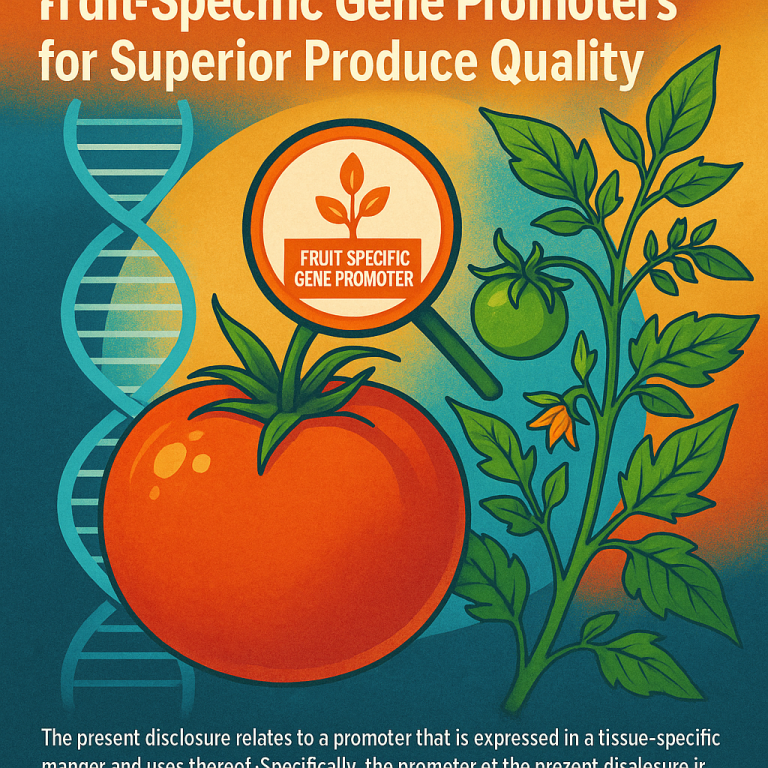
That’s why a way to control where and when genes turn on is so valuable. If you can make a gene work only in the fruit, you can give the fruit new powers—like more vitamins, better taste, or even the ability to grow without seeds—without messing up the rest of the plant. This is more than just science; it’s about making better food for everyone.
Scientific Rationale and Prior Art
To understand this invention, let’s step back and look at how plant genes work. In plants, DNA is organized into genes. Each gene has a part called a promoter that acts like an on/off switch. When the plant “reads” the gene, it uses the promoter to know when and where to turn it on.
Most of the time, researchers use the 35S promoter because it works in almost every part of the plant. However, using this kind of “always on” promoter is like turning all the lights on in your house, even if you just need one room lit. It wastes energy and can cause problems. In plants, this means the gene might help the fruit, but hurt the leaves or roots.
Scientists have tried to solve this problem by looking for tissue-specific promoters—promoters that only turn genes on in certain parts of the plant. For example, a root-specific promoter would turn a gene on only in the roots. A flower-specific promoter would work only in flowers. A fruit-specific promoter is even better for crops like tomatoes, melons, or apples, where the fruit is the main thing people eat.
There are a few tissue-specific promoters out there, but many are not strong enough, don’t work in the right plants, or still turn on in places you don’t want. Some researchers have tried to use genes from other plants, but they don’t always work well. Others have tried to use parts of natural plant genes that are already known to turn on in fruit, but finding one that works just right is tough.
One key gene that scientists are interested in is called SlIAA9. This gene is involved in a process called parthenocarpy. That’s when a plant makes fruit without being pollinated—meaning seedless fruit just grows on its own. This is great for making seedless tomatoes, watermelons, or cucumbers. In the past, scientists tried to turn off SlIAA9 everywhere in the plant, but that caused problems in the leaves and stems. The whole plant would grow strangely, making it hard to use in real farms.
A recent scientific paper (Kim J S, Lee J, Ezura H. 2022) looked at a gene called SIMBP3 in tomatoes. They found that knocking out or turning down this gene changed the way the fruit developed. It made the fruit have more dry matter and changed the cell walls. This suggested that the DNA around this gene might be important for controlling when and where the gene turns on.
Scientists realized that if they could take the promoter from SIMBP3 and use it to control other genes, they might be able to make changes that only happen in the fruit or in special growing points on the plant, called axillary meristems (where new branches grow). This could be the key to making better fruit without hurting the rest of the plant.
Until now, there wasn’t a well-known promoter that worked just in the inside of tomato fruit and axillary meristems. The invention we’re looking at today is a new way to do just that: a DNA promoter that only turns on in these special parts of the plant, so you can make changes where you want, without causing problems elsewhere.
Invention Description and Key Innovations
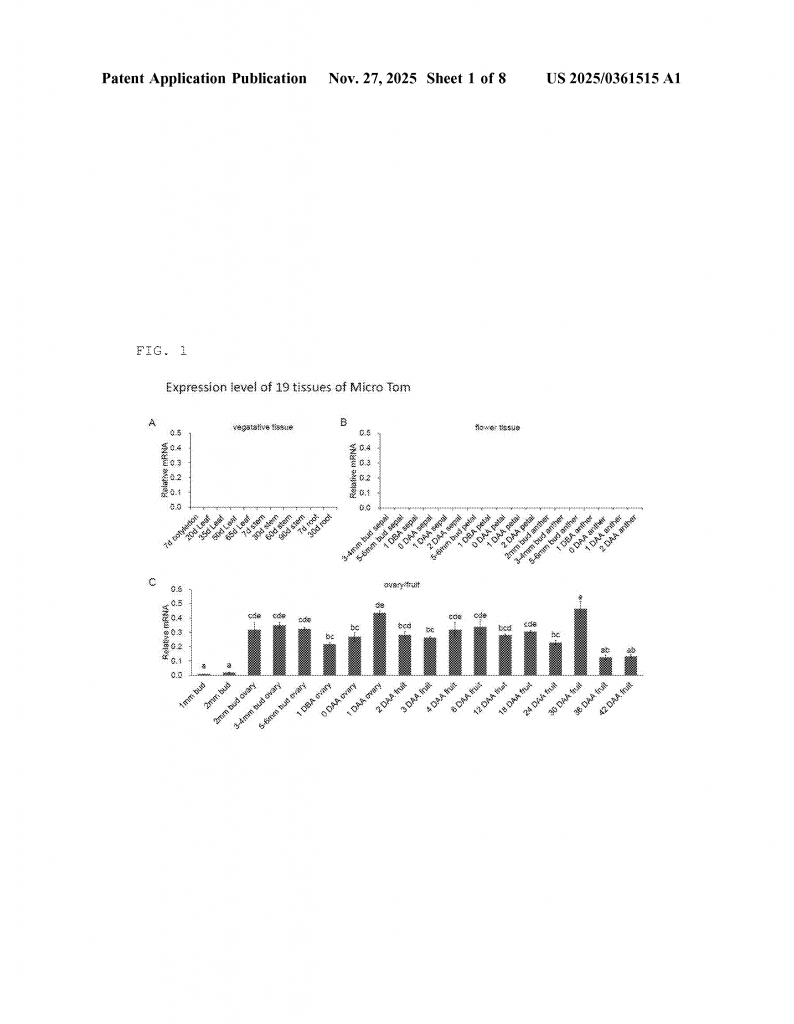
This new invention is a special DNA promoter—think of it as a special light switch for plant genes. It comes from the area in the tomato genome just before the SIMBP3 gene. The key discovery is that this promoter (called SEQ ID NO: 1) only turns on in the inside parts of the fruit and in axillary meristems. That means it’s pretty much off in the leaves, stems, and roots. This is a big deal because it lets scientists add new genes to the plant that will only work in the fruit or where new branches grow.
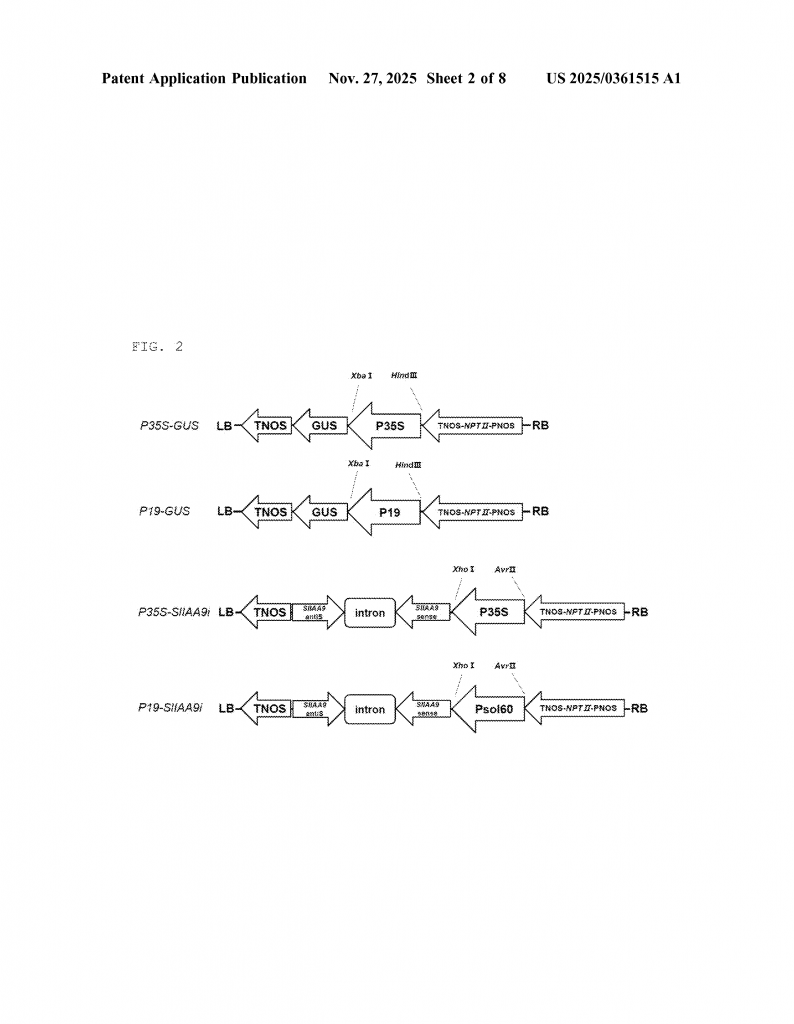
How does it work? Scientists take this promoter and attach it to a new gene they want to put in the plant. They use a tool called a recombinant vector (a kind of DNA delivery package) to get this DNA into plant cells. The plant then grows with this new DNA, and the gene only turns on in the right places.
Some of the cool things you can do with this promoter include:
– Making fruit that has more healthy substances, like vitamins, antioxidants, or special sugars.
– Making fruit that doesn’t have seeds (parthenocarpic fruit), which can be easier to eat and more useful for farmers.
– Helping the plant make fruit even when it’s very hot, by turning on genes that help with fruit formation under stress.
– Keeping the rest of the plant normal, because the new gene doesn’t turn on in leaves, stems, or roots.
One big use is with the SlIAA9 gene. Remember, this gene helps control whether a plant makes seeds or not. If you turn it off everywhere, the plant gets sick. But if you use the new promoter, you can turn it off only in the fruit. This means you get seedless fruit, but the rest of the plant stays healthy.
The inventors proved this works by making special tomato plants. They used their promoter to turn on a gene that blocks SlIAA9, but only in the fruit. These tomato plants grew normally, with healthy leaves and stems. But their fruit could grow without seeds. Even better, the fruit could grow in hot weather, when normal tomato plants would fail.
The promoter can also be used for lots of other genes. If you want to add more vitamins to fruit, or make fruit that tastes sweeter, you can use this promoter to turn on those genes just in the fruit. This keeps the rest of the plant normal, so farmers can grow the crop just like before.
There’s another bonus: by using a promoter that only works in certain places, scientists can avoid many of the safety and regulatory problems that come with genetically modified crops. If the gene is only in the fruit, it’s less likely to cause unexpected changes in the plant. This makes it easier to get approval and helps show that the new crop is safe.
The technical details are also important. The promoter works by connecting the gene you want to use to the special DNA sequence found just before the SIMBP3 gene. You put this into a vector (a kind of DNA ring), then use a bacterium called Agrobacterium to get the DNA into the plant. This is a common method in plant science and is safe and reliable.
The inventors also showed, with real experiments, that the promoter only works in fruit and axillary meristems. They did this by attaching a reporter gene (GUS, which turns tissues blue when active) to the promoter. When they looked at the plants, only the fruit and axillary meristems turned blue, proving the promoter works as promised.
Overall, this invention gives plant scientists and breeders a new, very precise tool. It makes it much easier to create fruit with new traits—like better nutrition, taste, or seedlessness—without causing problems in the rest of the plant. This could help make better crops for farmers and better food for everyone.
Conclusion
The development of this tissue-specific promoter is a big step forward for plant biotechnology. It lets scientists change only the parts of the plant they want—like fruit—without causing harm elsewhere. This opens the door to healthier, tastier, and more reliable crops. Whether it’s making seedless tomatoes, boosting nutrition, or helping plants handle heat, this promoter offers a smart, safe, and effective way to improve fruit crops. Farmers, scientists, and everyone who enjoys good food stand to benefit from this clever invention.
Click here https://ppubs.uspto.gov/pubwebapp/ and search 20250361515.