
Invented by KIM; Minsoo

Most of us use devices powered by lithium-ion batteries every day. Whether it’s your phone, your laptop, or even your car, these batteries are everywhere. But what happens when a battery cell inside one of these devices is defective? How do companies find and fix these bad cells before they become a danger? Today, we’re going to look closely at a new patent application that offers a smart, safe, and non-destructive way to detect defective lithium-ion cells using a measurement called entropy. Let’s break it all down in plain language.
Background and Market Context
Rechargeable batteries, especially lithium-ion types, are at the heart of modern life. They keep our phones running all day, power electric vehicles (EVs), and store energy from wind and solar for later use. Every year, millions of these batteries are produced and shipped around the world.
But here’s the problem: not every battery cell is perfect. Some have hidden flaws. If these flaws go unnoticed, they can cause big problems. A defective cell might lose capacity quickly, heat up too much, or in rare cases, even catch fire. This is not just an inconvenience—it’s a serious safety issue.
Finding these bad cells before they reach customers is a top priority for battery makers. Traditionally, the only sure way to check a battery cell’s insides has been to take it apart and look at its parts under a microscope. But that destroys the cell, and you can’t put it back together afterward. Worse, you might break a perfectly good cell just to check it.
With the steady rise of electric cars and big energy storage systems, the number of battery cells in each device has gone up. A car battery might have hundreds or even thousands of cells packed together. If even one cell is bad, it can affect the whole pack. That’s why battery companies are searching for better ways to spot defective cells without destroying them.

Battery safety recalls, like those that happened with some smartphones and EVs in recent years, have cost companies billions and put many people at risk. These events show just how important it is to catch problems early. The market is demanding better, safer, and smarter ways to check battery health.
This is where the new patent application we’re exploring comes in. It describes a way to check if a lithium-ion cell has a hidden flaw using only information you can get by charging or discharging the cell and measuring its temperature and voltage. This method is non-destructive, meaning the cell stays whole, and it can be done much faster and more cheaply than opening cells up. This is a big deal for battery makers and anyone who relies on safe, reliable battery power.
Scientific Rationale and Prior Art
To understand why this new method matters, let’s take a step back and look at how lithium-ion batteries work and what makes some cells go bad.
Inside a lithium-ion cell, there are two main parts called electrodes. The positive side is usually made from a metal oxide, and the negative side is often made from graphite, a form of carbon. When you charge the battery, lithium ions move into the graphite. When you use the battery, the ions move back out. This movement is what gives you power.
The interface, or the tiny space where the graphite meets the liquid inside the battery (the electrolyte), is very important. If this interface is rough or damaged, lithium ions can’t move easily. This can make the battery heat up, lose capacity, or even short-circuit.
When a battery is first made, it goes through a step called “formation.” This step gets the graphite interface ready for use. But sometimes, even after formation, the interface isn’t perfect. It can have spots that are rough, uneven, or unstable. These hidden problems can make the battery fail early or cause safety issues.
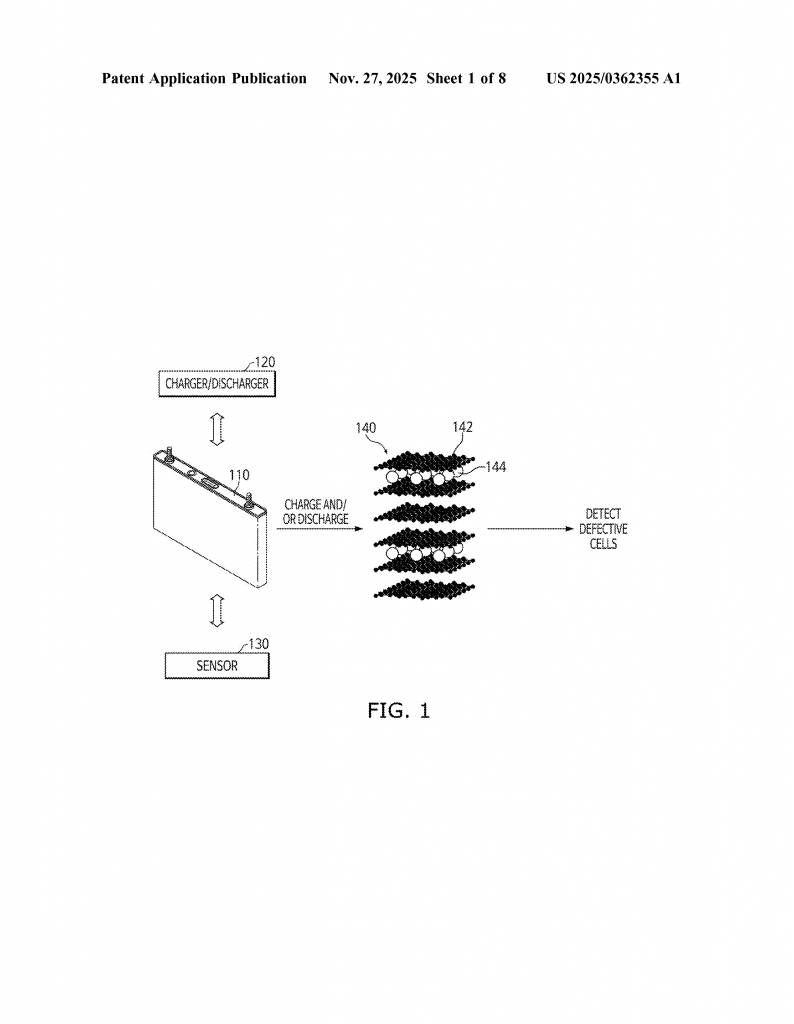
How have people checked for these problems in the past? The most common way is to test the battery’s capacity (how much energy it holds) and how quickly it charges or discharges. But these tests can miss defects at the graphite interface. Another way is to open the battery and look at the interface under a microscope. But as we said, this destroys the battery.
Scientists have tried using electrochemical impedance spectroscopy (EIS), a way to measure how much the battery resists the flow of current. EIS can give clues about the battery’s insides, but it’s slow, needs special equipment, and can be hard to use on a big scale.
More recently, researchers have looked at thermodynamic properties like entropy. Entropy, in simple terms, is a measure of disorder. In batteries, it’s linked to how lithium ions are arranged in the graphite during charging and discharging. If the interface is flawed, the arrangement gets messy and the entropy value changes.
Some studies have shown that by measuring voltage and temperature during charging or discharging, you can calculate the battery’s entropy. If the entropy is much different from what you expect in a healthy cell, the cell might have a hidden defect.
But until now, there hasn’t been a clear, practical method for using entropy values to spot bad cells, especially one that can be used in factories or service centers as part of normal battery testing. The new patent application aims to fill this gap with a step-by-step way to check cell health using entropy, based only on simple measurements anyone can take.
Invention Description and Key Innovations
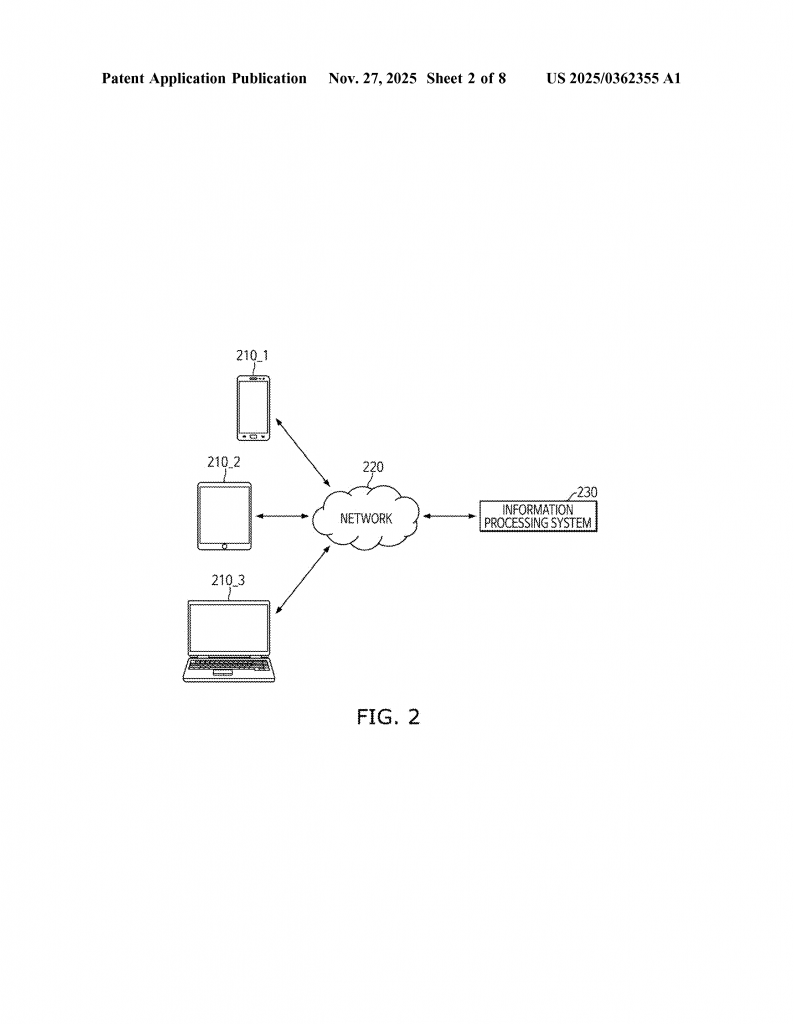
Now let’s look at what makes this new defective cell detection method special. The invention is about using entropy values to find out if a lithium-ion cell has a bad graphite interface—without taking it apart.
Here’s how the method works, step by step, in plain language:
First, the battery cell is charged or discharged so that its state of charge (SOC) falls within a certain range. The SOC is just a way to say how full the battery is, usually as a percentage. The inventors found that the most important range for checking the graphite interface is between about 22% and 50% SOC. In this range, any problems at the interface show up clearly in the battery’s behavior.
While the cell is being charged or discharged, two things are measured: the voltage (how much electrical pressure is in the cell) and the temperature. These are easy to measure with basic sensors, and most battery testers already collect this data.
From this data, the system calculates the entropy value of the cell. In technical terms, entropy in this setting comes from changes in voltage and temperature. But you don’t need to know the complex math—the important thing is that a healthy graphite interface gives a certain entropy value, and a defective one gives a different value.
The next key step is to compare the entropy value from the cell being tested to a “reference” value. This reference comes from many normal, healthy cells. If the entropy is much higher or lower than the reference, it’s a sign that the graphite interface is not right.
If the test finds that the cell is likely defective, the system can do a few things. It can flag the cell for removal, output more details (like the cell’s ID, where it was tested, or what exactly was wrong), or even trigger a “re-formation” process. Re-formation is a way to try to fix the graphite interface by running a special charge/discharge cycle to make the surface more stable. After re-formation, the system can test the cell again with the same entropy method. If the cell still looks bad, it’s marked as a defective cell for good and can be taken out of use.
The system doesn’t just work for single cells. It can be built into a factory’s battery testing line, a service center, or even a cloud-based platform that manages thousands of batteries at once. The method is computer-friendly and can be automated, making it fast and reliable.
What are the key innovations here?
First, this method uses entropy as a “window” into the hidden world inside the battery, especially the graphite interface. That’s a new way to check for defects that were hard to see before. Second, it’s non-destructive—no need to open the cell, so there’s no waste. Third, it’s fast and fits easily into today’s battery testing systems. And fourth, the method can try to fix some defects before throwing cells away, which saves money and reduces waste.
The patent application also covers ways to store the test method in computer memory, so it can be run by machines or in the cloud, and even describes an apparatus with processors and memory to carry out the method. This means the invention is ready for use in real-world battery production and management.
Conclusion
Lithium-ion batteries are everywhere, but keeping them safe and reliable is a big challenge. This new method for detecting defective cells brings a smarter, safer, and more cost-effective approach. By using entropy values calculated from simple measurements, battery makers and users can find hidden problems without damaging the cell. The method is non-destructive, fast, and can even help fix some defects before cells are thrown away.
For manufacturers, this means better quality control, less waste, and fewer recalls. For users, it means safer devices and longer-lasting batteries. As the world moves toward more electric vehicles and cleaner energy, tools like this will be key to building trust in battery technology. The future of batteries just got a little brighter—and a lot safer.
Click here https://ppubs.uspto.gov/pubwebapp/ and search 20250362355.