Invented by Yao; Chen
Gaming at home is fun, but sharing a system with family or friends can be a pain when everyone has different tastes. Imagine your favorite game suddenly switching to settings you hate, or being shown ads for games you never play. This new patent application wants to make sharing a game system easier, smarter, and more fun for everyone. Let’s break down how this tech works, why it matters, and what makes it new.
Background and Market Context
Playing video games has become a regular part of life for people of all ages. Families, roommates, and friends often share the same game consoles or gaming accounts. Sometimes, there’s only one main account, either to save money or because it’s easier for everyone to play together. But this can lead to frustration. Each person might like different games, styles, or even just want the sound lower or higher. When the system treats everyone the same, no one feels special.
This problem shows up in more places than you think. Maybe you’re a parent who likes adventure games, but your child loves racing games. Or maybe you and your partner both play, but you want dark colors and loud sound, while they want bright screens and softer music. Every time you switch, you have to change all the settings, or live with someone else’s choices. Over time, this can make gaming less fun.
Companies who make games and consoles know about this. They have tried adding guest accounts or letting each person make a profile. But usually, you still have to log out and log in, or the system mixes everyone’s data together. If you forget to switch, your game recommendations and saved progress can get messed up. Ads and suggestions become random and not helpful. This is a big problem in homes where siblings, couples, or roommates play on the same account every day.
At the same time, companies want to make gaming more personal so you play more and buy more. If they can show you games you actually want, or help you play better, you’ll have more fun and keep coming back. But they need a way to know who’s using the system, even if you don’t say “It’s me!” every time you pick up the controller. That’s where this patent comes in. It uses smart technology to figure out who’s playing, just by watching how you play and what you do.
This new idea is important for the gaming industry. Game makers and console companies are always looking for ways to stand out. If they can make sharing a system smooth and personal, more people might choose their brand. Parents will feel safer letting kids play, and friends will argue less. The whole gaming experience becomes better for everyone.
Scientific Rationale and Prior Art
Before this patent idea, most systems used simple ways to handle more than one user. Some let you make different profiles, but you had to pick yours from a list. If you forgot, the system just used the last person’s settings. Other systems tried to guess who was playing based on which controller you used, but that only worked if every person had their own controller. Sometimes, face or voice recognition was used, but these can be slow, not always accurate, or just too much work for most users.
In some older systems, the console would remember your favorite games or settings if you logged in with your profile. But if you were all using the same account, it couldn’t tell who was who. For example, if you and your brother both liked different games, the system might suggest games that neither of you really liked, because it mixed your choices together. This made the whole system less helpful and less fun to use.
Some companies tried to use basic tracking. Maybe the system would notice if someone always played at a certain time of day, or always started the same game. But this wasn’t enough. People’s habits change, and sometimes you play at a different time or try a new game. The system would often get confused or just go back to treating everyone the same.
Other inventions tried to use special hardware, like cameras or fingerprint readers, to tell who was playing. But these could be expensive, slow, or just annoying. Not everyone wants a camera watching them, and not every controller has a fingerprint scanner. Plus, these systems were usually only used for logging in, not for changing settings or suggestions while you played.
Some researchers looked at using artificial intelligence, or AI, to study how people play. Maybe you always press certain buttons or move the controller in a special way. But most earlier systems only used this to collect stats, not to switch profiles or change the whole gaming experience. The step from watching how you play to actually using that info to make your gaming better was missing.
This new patent goes further. It combines deep analysis of how each person plays, what games they like, even how they browse or pick games, and uses that to guess who is on the controller. It can then switch settings, suggestions, and even ads, all without you having to do anything. And if it’s not sure, it just asks you with a quick on-screen prompt. This is smarter and more automatic than anything that has come before.
It also uses ideas from machine learning, a type of AI that gets better over time. By watching lots of data, like what buttons you push, when you play, and even how you move the controller, the system learns to tell each person apart, even if you change your habits a little. If someone new starts playing, it can spot the change and make a new profile. This makes it much more flexible and accurate than old methods.
So, compared to older systems, this patent uses more data, smarter AI, and can work without extra gadgets. It’s designed to make sharing a console or gaming account smooth and personal, with very little effort from the players. This is a big step forward for anyone who shares their gaming setup.
Invention Description and Key Innovations
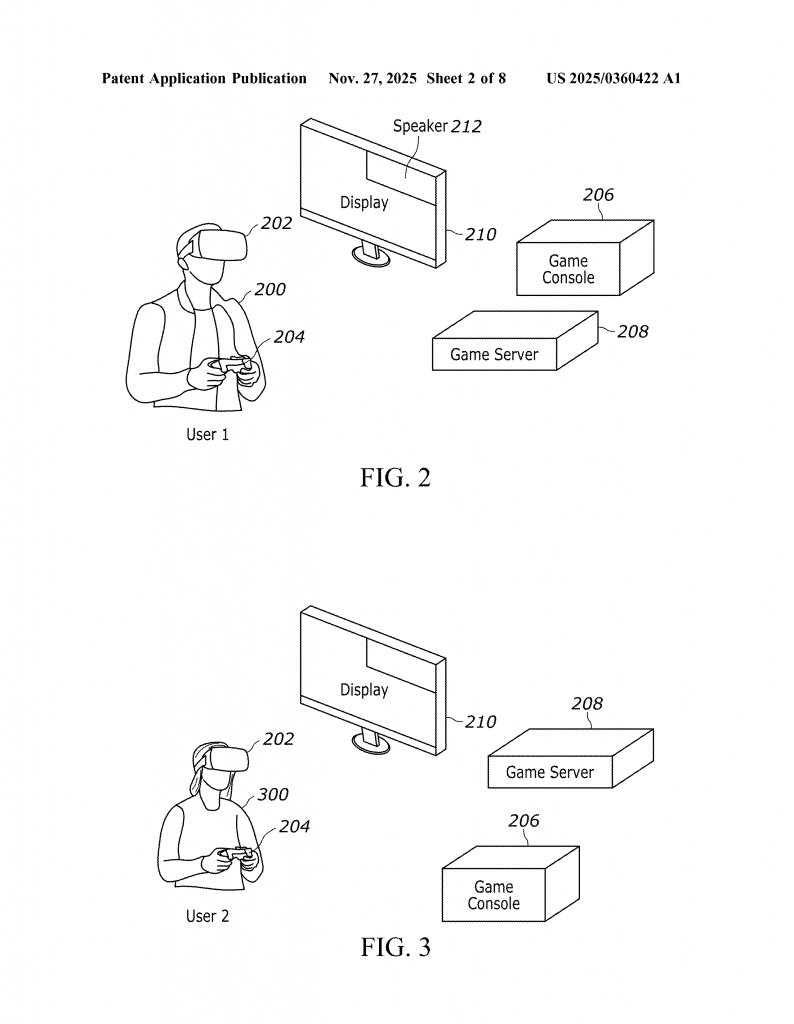
This patent application lays out a new way to give each person their own gaming experience, even if they all use the same account. Here’s how it works, in simple terms:
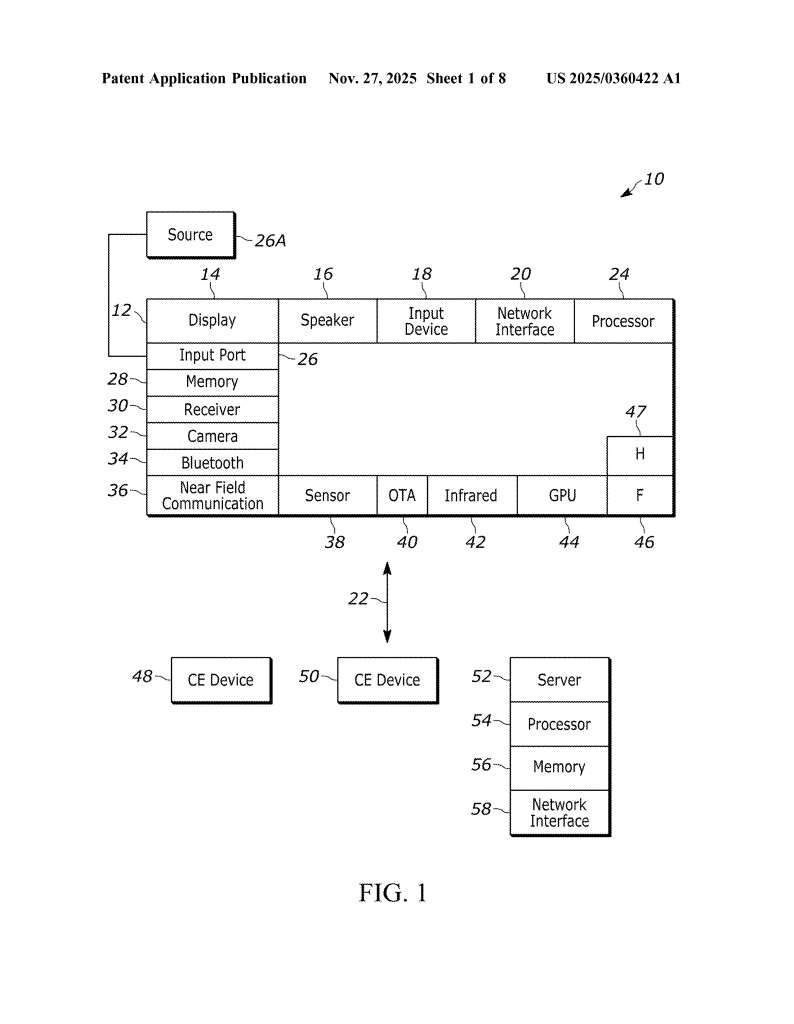
When someone picks up the controller and starts to play, the system doesn’t just wait for them to log in or pick a profile. Instead, it watches for signals from the controller—like which buttons you press, how you hold it, and how you move it. It also looks at your playing style, what games you choose, and even things like what time of day you usually play. It can even watch how you look at the screen, using cameras if available.
The system keeps track of all this data over time. It learns that maybe you always pick action games and move quickly, while your sister likes puzzle games and plays more slowly. Or maybe your dad plays late at night, while you play after school. The system uses machine learning to spot patterns and connect them to each person.
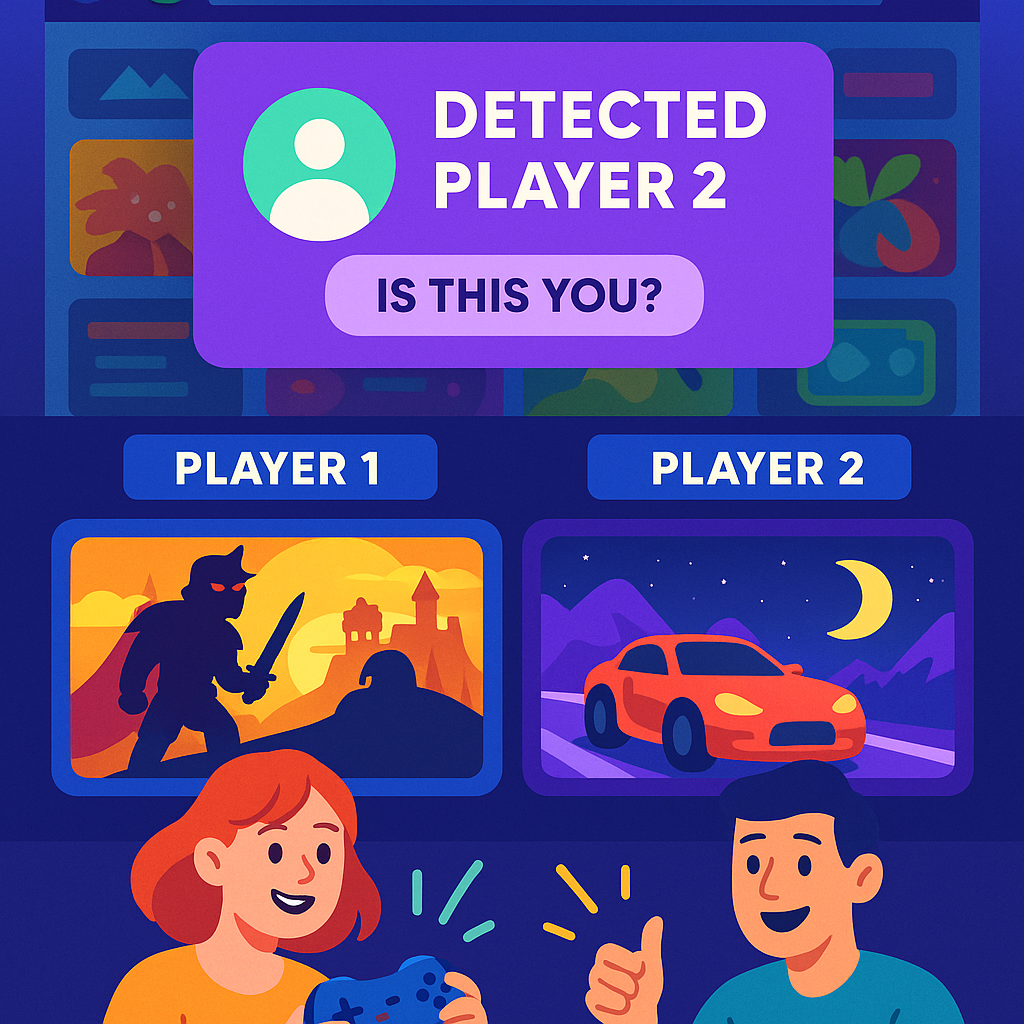
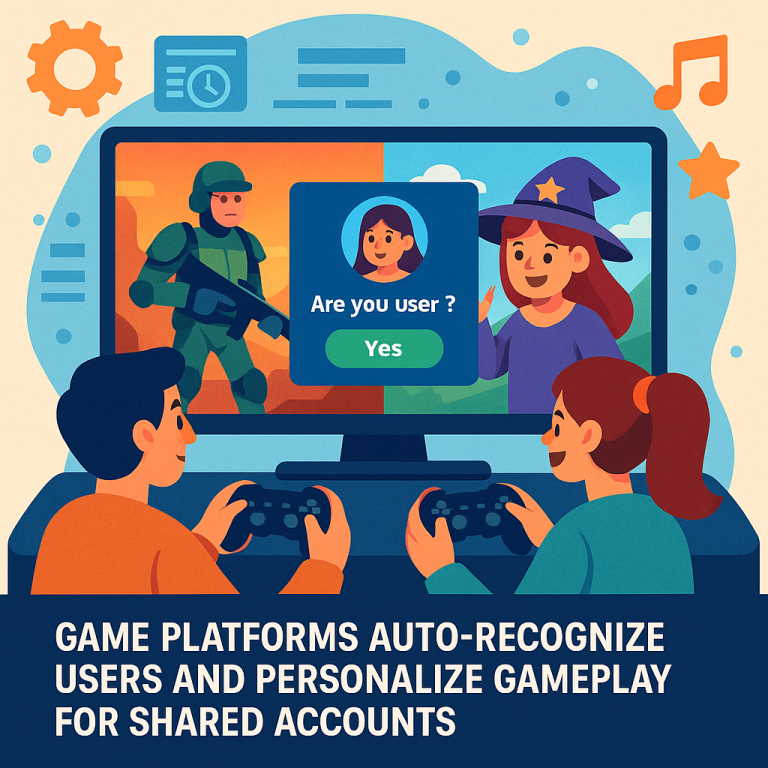
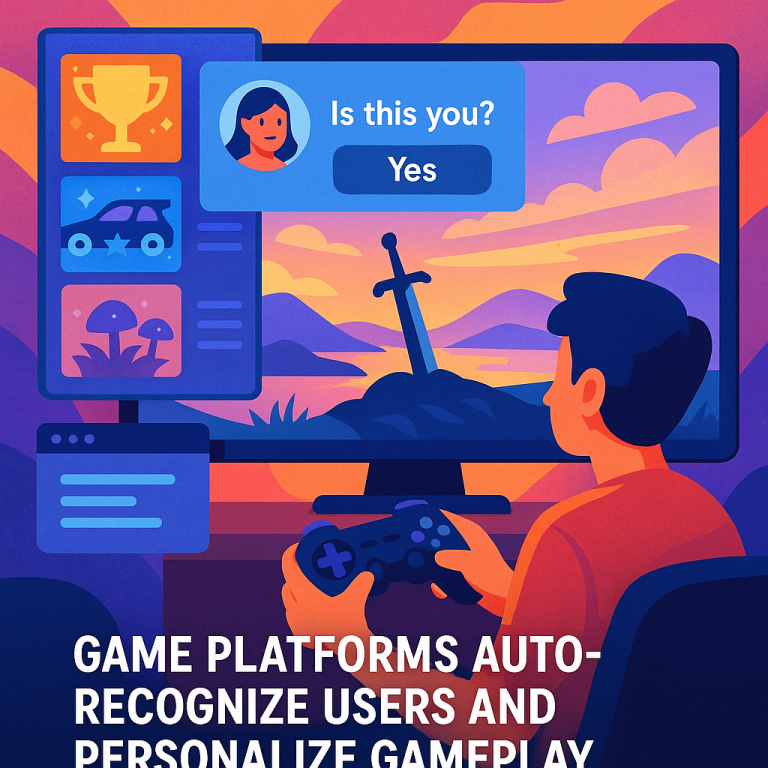
If the system notices a big change—like someone new starts playing, or the way the controller is used is very different—it thinks a different person might be playing. It can then switch all the settings, game suggestions, and even ads to match the new person. The colors on the screen might change, the sound might get louder or softer, and the system will suggest games you actually like. If it’s not sure who’s playing, it can ask you with a quick pop-up: “Is this you?” You just tap yes or no, and it’s done.
This makes sharing a game system much easier. You don’t have to remember to log in or pick your profile. The system does it for you, using how you play as your “secret code.” If you and your friend take turns, the system can spot the switch and change everything in seconds. If you want to change your settings or say you’re not the person it thinks you are, you can do that with one click.
But the invention doesn’t stop there. It also looks at things like your browsing history—what games you look at, even if you don’t play them. It uses all of this to make your suggestions better. If you like racing games but don’t want to see sports games, the system will stop showing you sports ads. If you like bright screens, it will always set that up for you when you play. It can remember if you need subtitles, want a certain language, or like to play in a special mode.
All of this is done with privacy in mind. The system doesn’t need your face or fingerprint if you don’t want to use those features. It can work just by watching how you play. And if it’s ever unsure, it just asks you directly. This makes it safe and user-friendly for all ages.
One of the really new things here is using machine learning not just to watch players, but to actually build custom profiles without needing lots of set up. The system can even learn new players over time and add them to the account. If a guest comes over and plays, the system can make a temporary profile just for them, and remove it later if you want.
Here’s another important part: the system can change settings in real time. If you’re playing and someone else takes the controller, the system can spot the change and switch everything instantly. No more playing on someone else’s settings or seeing weird game suggestions.
The patent also covers using this system on lots of devices, not just one console. It could work on a gaming PC, a smart TV, or even a VR headset. As long as the device can collect information about how you play, it can use this technology. This makes it very flexible for the future of gaming.
Finally, this system is smart about gaps in play. If you stop playing for a while, then someone else picks up the controller, it notices. It can then check if the new person is really you or someone else, and switch profiles if needed. This makes sure everyone always gets their own experience, even if you share the same account all day long.
Conclusion
This new patent application is all about making shared gaming better for everyone. By using smart technology to learn how each person plays, it can give everyone their own settings, game recommendations, and even ads—without needing you to remember to pick a profile or log in every time. It’s a big step forward from old systems that treated everyone the same or needed lots of extra work to set up.
With this invention, families, friends, and roommates can all enjoy gaming their way, no matter how many people share the system. Game makers and console companies can use this to make their products more fun and more personal. In the end, it’s a win for everyone who loves to play games together.
Click here https://ppubs.uspto.gov/pubwebapp/ and search 20250360422.