Invented by KIM; Ji-Seong, LEE; Jeongeun, UNIVERSITY OF SEOUL INDUSTRY COOPERATION FOUNDATION
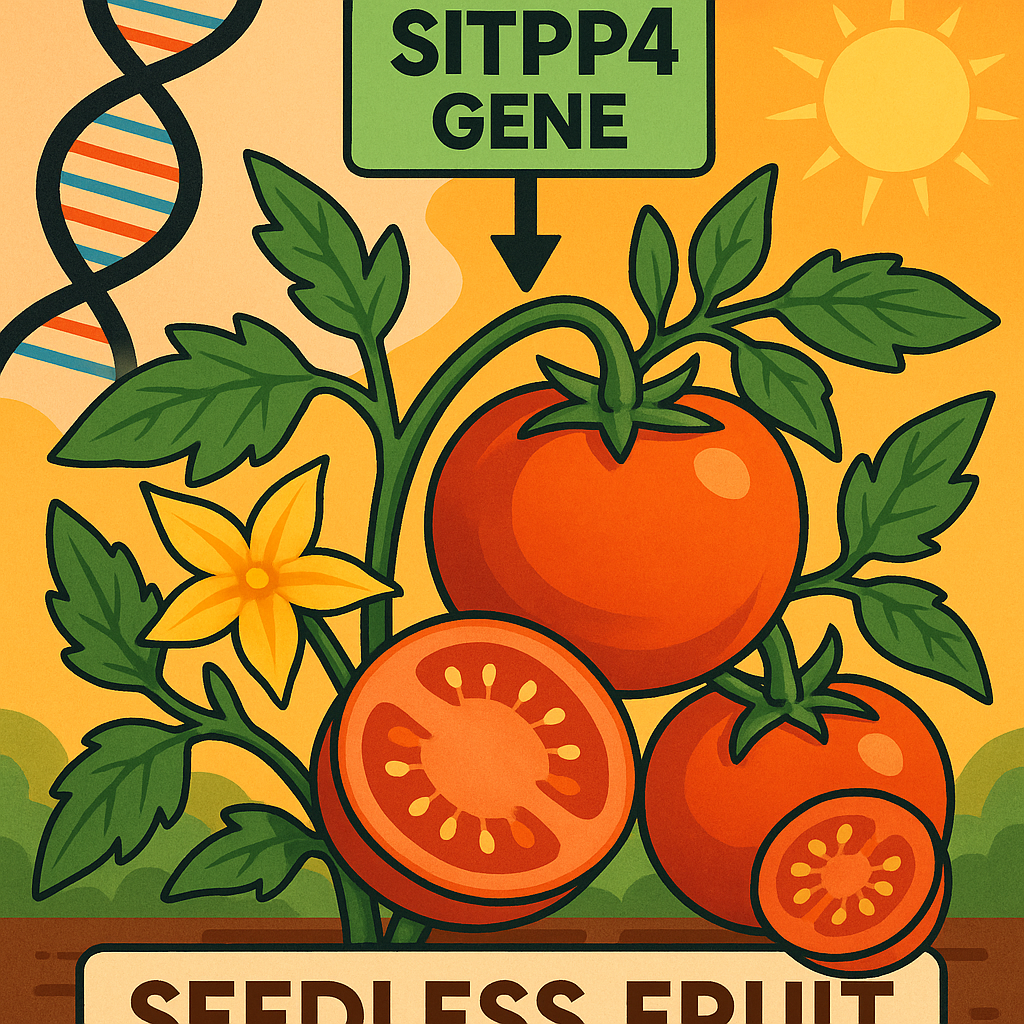
Parthenocarpy—making fruit without seeds—has long been the holy grail for plant breeders and farmers. Thanks to a new patent application, the science behind this phenomenon just got a lot clearer. Today, we’ll explore a groundbreaking invention that reveals how changing a single gene, SlTPP4, can let plants make seedless fruits, even when conditions are tough. Let’s take a closer look at why this matters, how it compares to older ideas, and what makes this invention so special.
Background and Market Context
To understand why seedless fruit matters, picture your last snack. Was it a banana, grape, or slice of watermelon? Chances are, you enjoyed it more because it had no seeds. Parthenocarpy means the fruit forms without pollination or fertilization, so seeds never develop. This is not just a nice-to-have for consumers—it’s a game-changer for farmers, food companies, and global food security.
Let’s start with the basics. Most plants need pollination and fertilization to make fruit. But sometimes, due to weather, poor pollinator presence, or plant genetics, pollination fails. When that happens, crops fail too, meaning less food and lost money. Parthenocarpy solves this. With it, fruit can form even if pollination does not happen. For farmers, this means more reliable harvests, even during heat waves, cold spells, or in greenhouses where pollinators are scarce.
This is not just theory. Look around the supermarket. Bananas, most commercial grapes, and some watermelons are seedless because they are naturally parthenocarpic or have been bred to be so. But not all crops do this naturally, and making new parthenocarpic varieties is slow, hard, and sometimes impossible with old breeding methods.
This leads to big problems. Tomatoes, peppers, and other popular crops often drop their flowers or fail to set fruit under stress—especially high temperatures. Farmers lose yields, prices go up, and food gets wasted. On top of that, consumers love seedless fruit. Seedless watermelons and grapes are easier to eat and sell better. Seedless tomatoes could be the next big thing, but until now, there hasn’t been a reliable, easy way to make them.
To get around this, farmers and scientists have tried many tricks. They use plant hormones like auxin or gibberellin, mechanical wounding, or breed distant relatives. Sometimes it works. Sometimes it doesn’t. These methods can be expensive, unpredictable, or need chemicals that are hard to use at large scale.
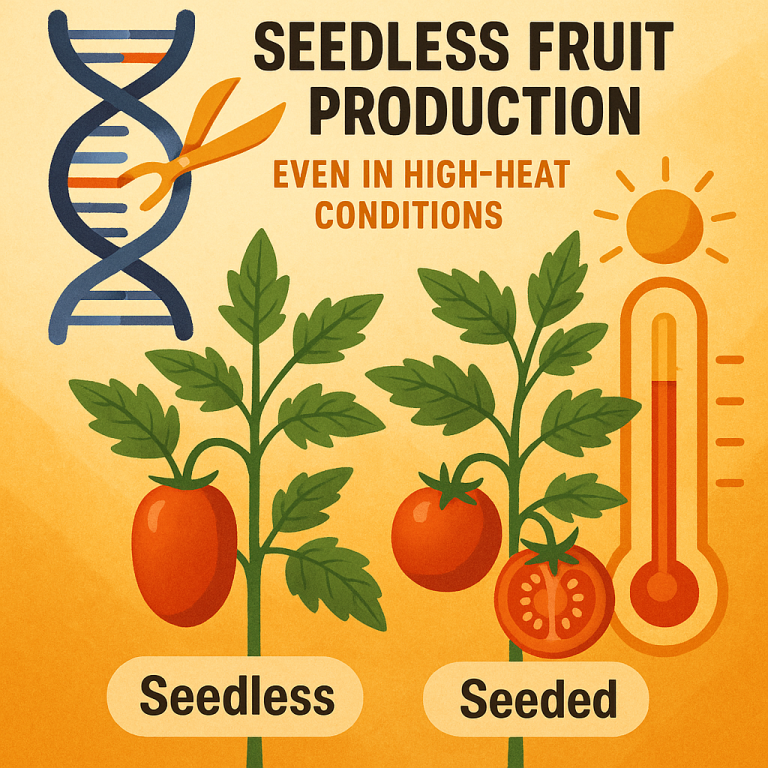
Now, with gene editing and better plant science, the dream is to make any crop parthenocarpic with precision, safety, and speed. This is where the SlTPP4 gene comes in. The new patent application claims a way to switch off this gene in plants like tomato, letting the plant make seedless fruit on demand. Even better, the fruit will still make seeds if pollination happens. This is called “facultative parthenocarpy”—the best of both worlds for farmers and breeders.
In short, the market is hungry for better, more reliable ways to make seedless crops. The invention covered in this patent could change how we grow, eat, and think about fruit, making it easier, faster, and more predictable to get seedless varieties. This helps everyone: farmers, companies, and families around the world.
Scientific Rationale and Prior Art
Let’s get into the science behind this idea. Parthenocarpy is not new. For decades, scientists have known that certain plants make fruit without seeds. Sometimes it happens naturally, as in bananas and some citrus fruits. Other times, it’s caused by stress, mutation, or plant hormones.
Old methods to induce parthenocarpy include spraying ovules or flowers with plant hormones like auxin or gibberellin. These hormones “trick” the plant into thinking it was pollinated, so the ovary grows into fruit. But this method is blunt. It’s hard to control, requires repeated applications, and may not work in all varieties. Plus, the fruit sometimes looks or tastes odd, or the treatment is not allowed due to food safety rules.
Crossbreeding is another old trick. In some cases, breeders cross very distant relatives that can’t make seeds together, resulting in seedless fruit. This works for some crops but is slow, unpredictable, and only possible in certain species. Sometimes the resulting plants are weak, don’t taste good, or aren’t useful for farming.
Recently, molecular biology brought new tools. Scientists started looking for genes that control fruit development. They found some genes that, when mutated or switched off, can make fruit develop without seeds. But many of these genes also control other important things—like plant growth, leaf shape, or the plant’s ability to survive stress. So, turning them off made the plant sick or gave poor yields.
One major breakthrough was finding genes that act as “gatekeepers” for fruit development. In tomatoes, for example, genes that control the hormone balance in flowers can be tweaked to encourage parthenocarpy. Some mutant tomatoes make fruit without seeds, but these mutants often have poor growth or strange fruit.
Researchers have also used RNA interference (RNAi), a method that uses small pieces of RNA to silence genes. While this is more targeted than chemicals, it’s still tricky. The effect can fade over time, or it may not work in all plant tissues.
More recently, gene editing tools like CRISPR/Cas9 have made it possible to make precise changes in plant genes. With CRISPR, you can “cut” a specific gene and turn it off. This has been tried in plants to make parthenocarpic varieties, but the choice of which gene to target is very important. The wrong gene can harm the plant or give poor fruit.
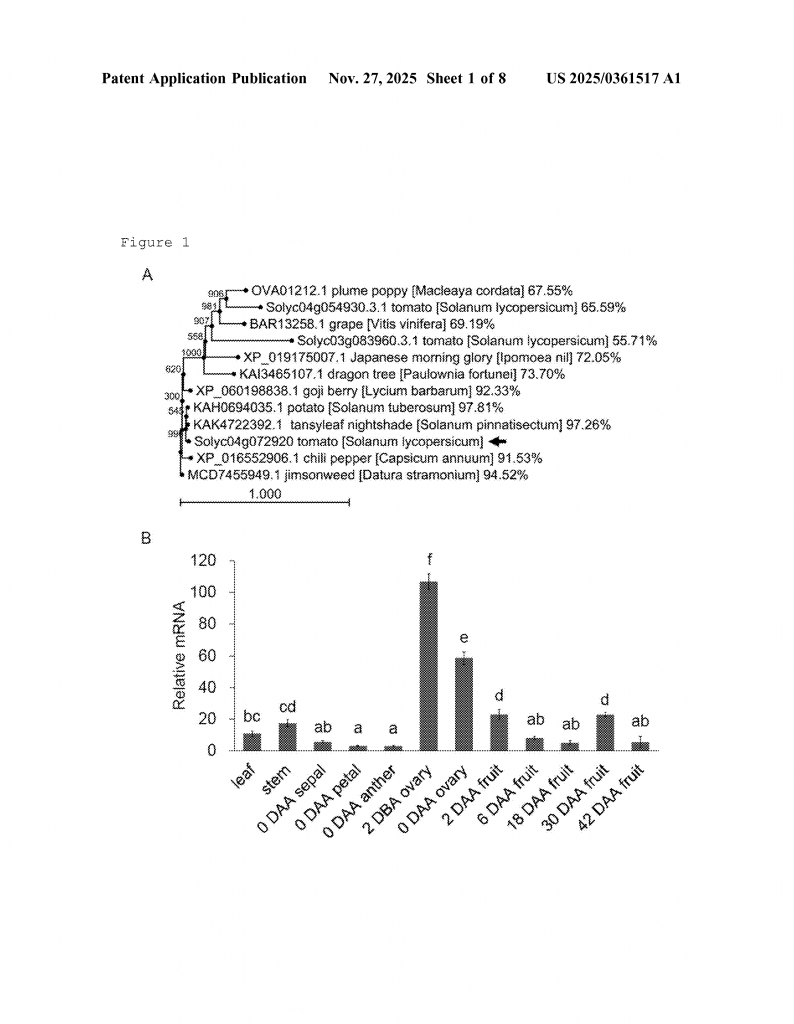
So, what’s special about SlTPP4? This gene encodes an enzyme called trehalose-6-phosphate phosphatase (TPP4). In tomatoes, SlTPP4 is mostly active in the ovary just before flowering. Prior studies hinted that trehalose metabolism might be involved in stress responses and development, but its role in fruit set was not clear.
The inventors behind this patent found that switching off SlTPP4 in tomatoes makes the plant produce seedless fruit, but only when pollination fails. If the flower is pollinated, the plant still makes normal, seeded fruit. This is a big improvement over past mutants, which often made only seedless or only seeded fruit, not both.
Why does this matter? Because it lets breeders and farmers have plants that are flexible. If pollination is good, you get normal fruit for seed production. If pollination fails—because of heat, poor weather, or low pollinator numbers—you still get fruit, just seedless. This makes the crop more reliable and less risky.
From a patent law point of view, this invention is not just about using CRISPR or RNAi—it’s about finding the right gene and showing how controlling it gives a new, valuable result. The prior art had methods for parthenocarpy, but they were less precise, less reliable, or caused unwanted side effects. The SlTPP4 approach is both specific and practical, letting a wide range of crops be improved with minimal negative effects.
Invention Description and Key Innovations
This patent application sets out a clear plan: use inhibitors or gene editing to switch off the SlTPP4 gene in plants, especially tomatoes, to make them form fruit without seeds when pollination fails. Let’s break down how it works and what makes it new.
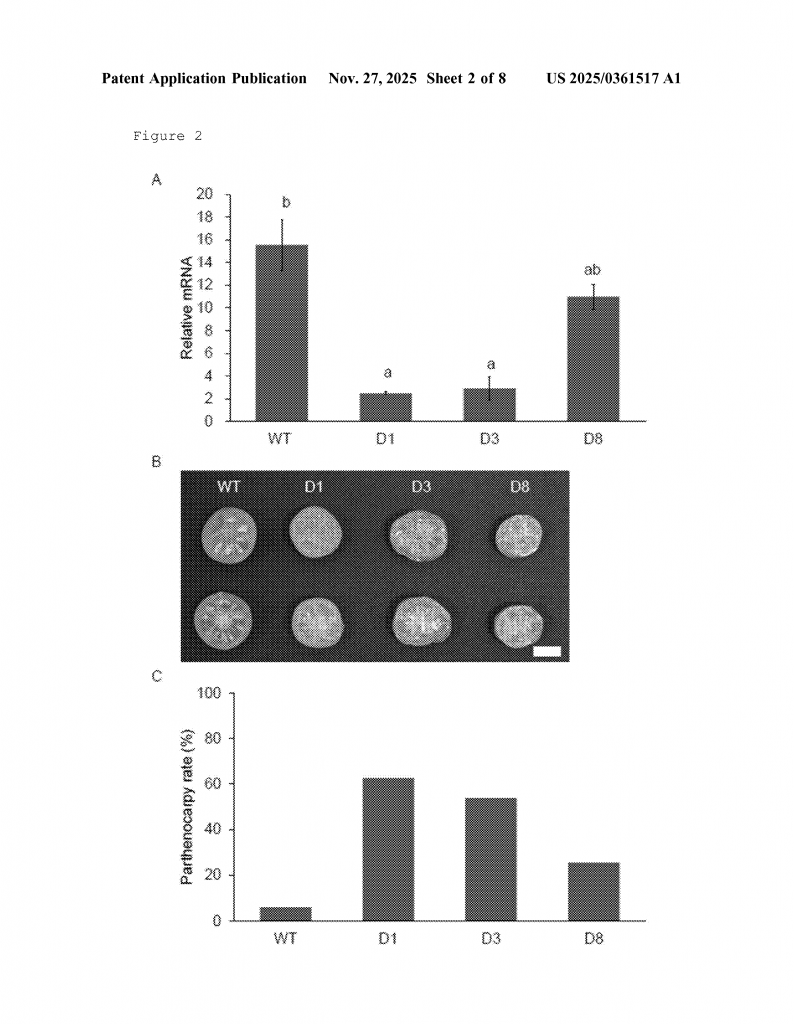
First, the SlTPP4 gene itself. This gene is found on chromosome 4 of the tomato and encodes a protein called trehalose-6-phosphate phosphatase 4 (TPP4). This protein is part of a pathway that helps control sugar metabolism and development in plants. The inventors proved that in the ovary, just before and after flowering, the SlTPP4 gene is very active. When its activity is cut down or removed, the flower’s ovary starts to grow into a fruit even if pollination doesn’t happen. This means parthenocarpy is triggered.
Importantly, the inventors used two main methods to shut down the gene:
1. Gene Expression Inhibition: They used RNAi and similar tools to reduce how much SlTPP4 is made in the plant. This includes antisense nucleotides, siRNA, shRNA, miRNA, ribozymes, DNAzymes, and peptide nucleic acids. All these tools bind to the gene’s RNA, stopping it from making the TPP4 protein.
2. Gene Editing (Mutation): Using CRISPR/Cas9, they made targeted changes in the gene’s DNA. By choosing specific guide RNAs, they cut the gene at just the right spot, causing deletions or insertions that “break” the gene. These mutations are permanent and passed down to future plants.
The inventors confirmed that both RNAi and CRISPR methods worked. The plants with less SlTPP4 made seedless fruit when not pollinated, but still made normal, seeded fruit when pollinated. This is called “facultative parthenocarpy.” It’s a big step forward because the plant does not lose its ability to make seeds entirely—it just adds the ability to make fruit even in bad conditions.
What about real-world use? The inventors tested their plants under tough heat conditions. Normally, high heat stops tomatoes from setting fruit because pollen dies. The gene-edited plants still made fruit—seedless, but full-sized and healthy. This means farmers can get a harvest even in heat waves, when wild-type plants would fail.
The patent also covers the use of compounds (like antibodies or small molecules) that block the TPP4 protein directly. This could give temporary control over parthenocarpy, useful for research or high-value crops.
Other key details include:
– The invention works in many crops, not just tomato. It could be used in rice, wheat, potatoes, peppers, strawberries, cucumbers, melons, and more. The method is flexible and can be adapted to other species with similar TPP4 genes.
– The invention describes specific DNA and protein sequences (SEQ ID NOs) so that others can identify the gene in any new plant and make the right guide RNAs for editing.
– The inventors showed that the gene-edited plants look and grow like normal plants. Their fruit is nearly as big as wild-type fruit and forms at almost the same rate. This means the mutation does not make the plant weak or sick—a key point for farmers and breeders.
– The patent also describes methods to deliver the gene-editing tools into plant cells, including Agrobacterium transformation, electroporation, protoplast transformation, and particle bombardment. This means the method can be used in lab, greenhouse, or field settings.
– The inventors even looked at the effect of plant hormones like auxin. They found that their parthenocarpic fruit had surface bumps, similar to fruit made by high auxin, suggesting the gene may be linked to hormone pathways in the ovary. This gives new clues for further breeding and research.
In summary, this invention makes it possible to create seedless, reliable fruit in many crops with a simple genetic tweak. The claimed methods are precise, widely applicable, and do not harm the plant’s other traits. This is a leap forward compared to older, less predictable ways to make seedless crops.
Conclusion
Seedless fruit is more than a snack food—it’s a smart solution to problems in farming, food supply, and consumer happiness. The SlTPP4 gene invention opens the door to a new way of growing crops that are tough, flexible, and easy to eat. Instead of relying on chemicals, luck, or slow breeding, farmers and breeders can now use gene editing to make any crop parthenocarpic, quickly and safely.
This patent is a blueprint for the future of fruit. By targeting the right gene, using the right tools, and proving the results in real plants under real stress, the inventors have set a new standard for how to create better crops. The science is clear, the market is hungry, and the path is ready.
If you’re a grower, scientist, or just a fruit lover, this invention means more reliable harvests, less waste, and more seedless fruit on your table. The SlTPP4 gene is small, but its impact could be huge. The future of farming is seedless, and it starts here.
Click here https://ppubs.uspto.gov/pubwebapp/ and search 20250361517.