
Invented by DUBE; Anshul, DAY; Brian Alan, CABAMALAN; Kimberly Gail Del Rosario, COPUS; Connor David, AGARWAL; Vipul, KIAEI; Seyed Mohammad, NORCILIEN; Billy Goethetaro, MISHRA; Ankita, RYAN; Andrew Burke, KIZNER; Jeff Todd, ARUNACHALAM; Shankaranand, MISHRA; Virat Satyam
Moving users and their data from one tenant system to another does not have to be messy or frustrating. A new patent application proposes a smart way to group and migrate users and resources, making the process smoother for everyone involved. In this article, we’ll break down this clever patent, look at why it matters, and show you how it works—step by step, in simple words.

Background and Market Context
Let’s start with the big picture. Today, many companies use cloud services that they rent, called tenant computing systems. Each company usually gets its own tenant. Inside these tenants, there are users with accounts, emails, files, and places where they work together. Sometimes, big changes happen—like a company buying another, or two companies merging. When this happens, a lot of people and their digital stuff (like files, emails, shared folders) need to move from one tenant to another.
This move is not easy. Imagine hundreds or even thousands of people, each with their own files, emails, and connections to each other. If you just move people in random groups, some teams might get split apart. Some users might have to jump between two systems to work with old teammates, which is slow and confusing. It also creates security risks—since people might need to keep two accounts or have access to old systems longer than needed. Administrators, who run these moves, often don’t know exactly how everyone is connected, so mistakes are common.
Right now, most migration tools are pretty basic. They let admins pick groups of users, but don’t help much with figuring out who works closely together or who shares what. The result? Teams might get broken up, important data could be missed, and the move might take longer than planned. This wastes money, causes headaches, and makes employees unhappy.
The market for migration tools is growing fast. As more companies move to the cloud, the number of tenant-to-tenant migrations keeps going up. Businesses want tools that are faster, safer, and less disruptive. They want to keep people working, not fixing problems caused by a bad move. This is where the new patent application steps in, promising a smarter, more automatic way to handle large migrations.
Scientific Rationale and Prior Art
To understand what makes this patent application special, it helps to know how migrations are usually done, and where the old methods fall short. Traditionally, admins would pick user groups based on things like department, location, or just random lists. They might look at an org chart, but that doesn’t show who actually works together day-to-day. There’s no easy way to see which users collaborate most, or which shared resources (like team folders or calendars) need to move together.

Some existing tools try to help by letting admins “filter” or “search” for users, but they don’t look at real connections. Others allow for batch processing, but only based on static rules—like grouping by department, not by actual work relationships. Most do not automatically analyze how people interact, and none use real data to weight these relationships. That means, for example, two people who chat every day but are in different departments could end up in different migration batches. This breaks workflows and slows down business.
There is a field of study called graph theory that looks at connections between things. In tech, people use graphs to map out how users interact, who emails whom, who shares files, and who attends meetings together. Some advanced companies use graph analysis for security or social network studies, but using it for migration batching is new.
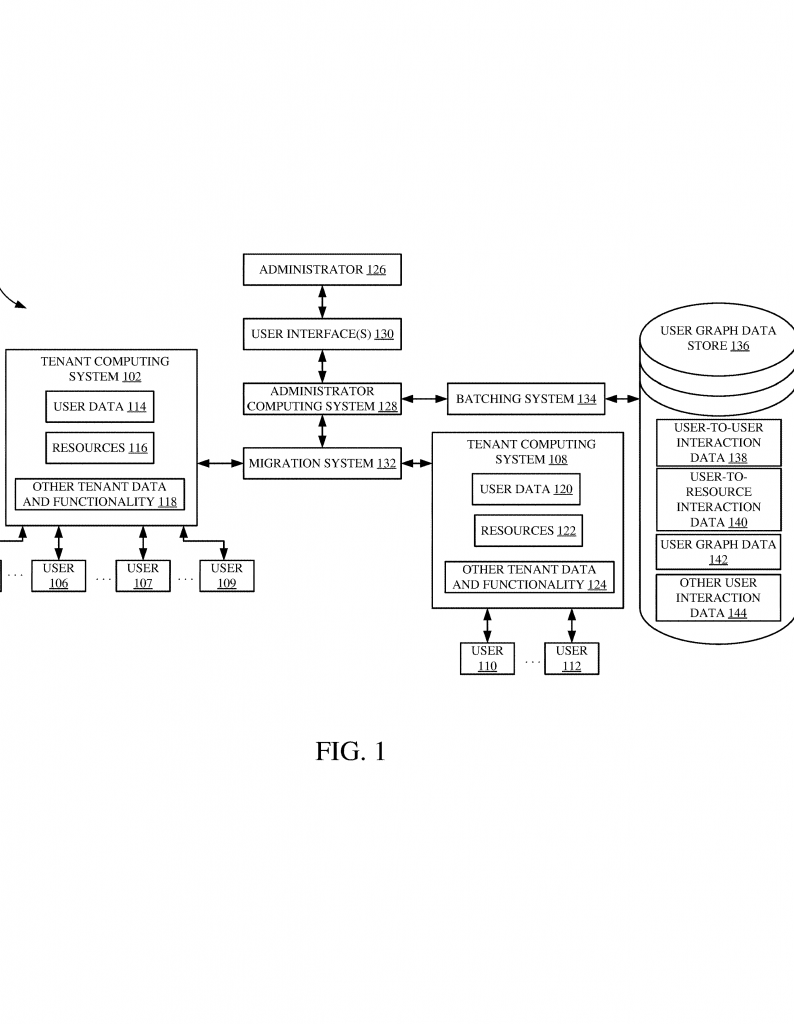
The patent application builds on this idea. It proposes to collect data about how users interact with each other and with shared resources. It then builds a “graph” where each person or resource is a dot (called a node), and each connection (like a chat message, shared file, or meeting) is a line (called an edge). These connections get “weights”—numbers that show how strong or important the relationship is. For example, if two users chat every day, their connection gets a high weight. If someone rarely uses a shared folder, that connection gets a low weight.
The system then uses smart math (clustering algorithms) to group together users and resources that are closely linked. This means people who often work together get moved together. The batching also considers shared resources, so teams aren’t split from the files or folders they need. The process is mostly automatic but lets admins review and tweak the groups before the move happens. This is more advanced than anything widely used today.
In summary, while the building blocks (like graph theory and clustering) are known, applying these ideas to tenant migration in this way is new. No known tools give admins this level of insight or automation when planning big moves. The result is a process that’s quicker, safer, and much less disruptive for users.
Invention Description and Key Innovations
Now, let’s look at how the invention works in simple terms—from the first step to the last. The process starts by gathering data from the current tenant system. This data shows who talks to whom, who works together on documents, who shares files, and which resources are used by which people. Every user and every shared thing becomes a node in a big map. Every time there’s a connection—a chat, an email, a shared file, a meeting—this is marked as a line between nodes.
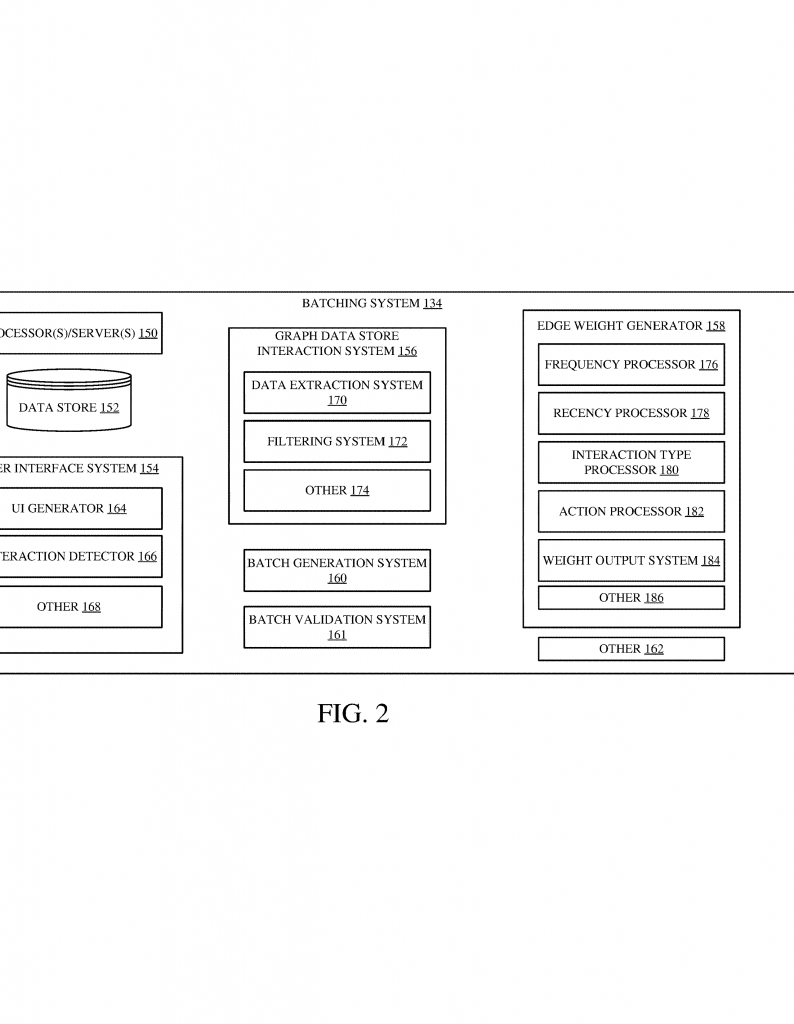
But not all connections are the same. Some are stronger than others. The system checks:
– How often people interact (frequency)
– How recent these interactions are (recency)
– What type of interaction it is (chat, meeting, email, etc.)
– What happens after the interaction (replying, attending, editing, etc.)
Each of these gets a score. For example, if two users are in meetings together every week and work on the same documents, they get a strong connection. If someone just sent a single email last year, that’s a weak connection.
Once all the nodes and connections are mapped and scored, the system runs special grouping math—called clustering algorithms. It looks for groups of people and resources that are tightly linked. There are several ways the system can do this, using smart algorithms like Louvain, Leiden, Walktrap, or even by turning the network into points in space and grouping the closest ones.
The goal is to create batches where each group includes people who often work together, along with the shared resources they use. This means when the migration happens, teams stay together, and no one loses access to what they need. It also means fewer people need to switch back and forth between old and new systems while the move is happening.
But the system doesn’t just make these batches and call it a day. It gives admins a special dashboard where they can see the groups, look at details, and make changes. The dashboard shows things like:
– Who is in each batch
– What resources are included
– How strong the connections are
– Ways to move users between batches, add or remove people, or see more details
Admins can accept the suggested batches, tweak them, or even rerun the grouping with different settings. This balances automation with human control.
Once the batches are approved, the system hands them over to the migration tool. Users and resources move from the old tenant to the new one, batch by batch, following the optimized plan. The system keeps track of everything, so no one is left behind and no data is missed. It also helps with scheduling, so the move happens at the best times for each group.
There are extra safety features too. By tracking all the relationships and only moving what’s needed, the system helps prevent data leaks or unauthorized access. It’s also flexible—admins can filter by department, location, or other factors, and the system will adjust the batches.
In short, here’s what makes this invention stand out:
– It uses real interaction data to group users and resources for migration, not just org charts or static rules.
– It automatically scores the strength of connections based on frequency, recency, type, and actions.
– It creates migration batches that keep teams and their shared resources together.
– It provides a user-friendly dashboard for admins to review and adjust batches.
– It helps reduce downtime, confusion, and security risks during big tenant moves.
Conclusion
Moving users and their data from one tenant to another is a big job, but it doesn’t have to be painful. This patent application introduces a smart, automatic way to group people and resources, keeping teams together and making migrations faster and safer. By using real data about how users interact, and giving admins the tools to review and adjust the plan, it sets a new standard for cloud migration solutions. Companies can save time, cut costs, and keep their users happy and productive, even during the biggest changes.
If you’re planning a tenant migration or building tools for the cloud, this approach offers a simple but powerful path forward. With the right data, smart grouping, and a clear dashboard, moving to the future of work just got a whole lot easier.
Click here https://ppubs.uspto.gov/pubwebapp/ and search 20250217330.